Soup recipes for every season
Soups are a great way to use seasonal vegetables throughout the year. While soups are a fall and winter staple, don't overlook what summer produce has to offer.
Make soups with summer vegetables for a lazy dinner or freeze them to enjoy when the weather turns cold. And of course, for those living in the Bay Area where nights are always chilly, I have a lot of soups for you to choose from.
Jump to:
Soup bases from stock, broth, or bouillon
Soups are made with stock, broth, and bouillon instead of water because they add a lot of flavor.
I almost always use a bouillon paste in my soup recipes because I have the best control for flavor, it's a decent price, and easier to store than large containers of store-bought broth.
Stock has a far superior taste, but takes a long time to make at home.
Let's review the differences so you can decide what to use in your own soups.
Stock
Stock is the gold standard for soup, but it takes some effort to make.
I haven't found a good ready-to-use store-bought brand, other than a local deli or butcher who sells it.
Stock is typically made from animal bones, like leftover chicken carcass or ham hocks. Those are simmered with water for hours to extract the flavor and create a thicker consistency from pulling gelatin and collagen from the bones.
My soup recipes don't use stock because of the time commitment, but if you have it, you can definitely swap it in any soup recipe for incredible flavor.
Broth
Broth is made from vegetables and meat, like chicken breasts, and sometimes bones are included. It's simmered for 1-2 hours, relying more on the vegetables for flavor.
You can also buy broth at the store for convenience. Not all brands are created equal - some can taste very watery. Serious Eats says their favorite brand is Swanson.
Bouillon
Bouillon is made from dehydrated vegetables, meat stock, added fat, and a lot of salt. It comes in cubes, granules, or a concentrated paste like Better than Bouillon (the brand I use and is generally a favorite among sites like Bon Appetit).
The idea is the bouillon gets dissolved in water, making a quick broth for your soup.
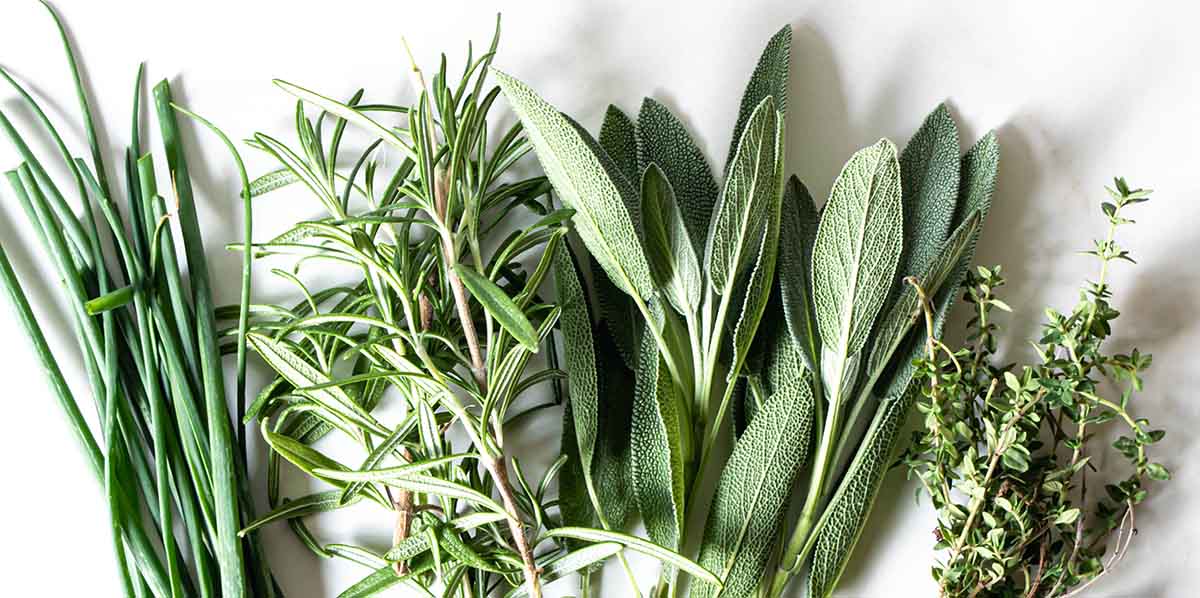
Aromatics like onions, garlic, and herbs
Garlic and onion are the most common aromatics that contribute to a soup's base flavor. There's a few other iconic soup bases too:
- Mirepoix (French): onions, carrots, and celery (chicken noodle soup)
- The Holy Trinity (Cajun/Creole): onions, celery, green bell pepper (gumbo, jambalaya, and red beans & rice)
- Sofrito (Spanish / Latin American): Garlic, onions, peppers (aji dulce), tomatoes (black bean soup)
- The "Asian Trinity" (Chinese/Cantonese): ginger, garlic, scallions (egg drop soup)
Herbs
Dried herbs are added in at the beginning of the soup so their flavor mixes in as it simmers.
Fresh herbs need to be layered in depending on how they hold up to a long simmer. Some are added at the beginning and others are a garnish.
- Woody herbs: rosemary, thyme, and bay leaves are added at the beginning and they release oils slowly
- Soft herbs: parsley, cilantro, and basil and added at the end to provide brightness
Creamy, chunky, and pureed soups
Soups generally fall into one of three categories: creamy, chunky, and pureed. There's some overlap and outliers, of course.
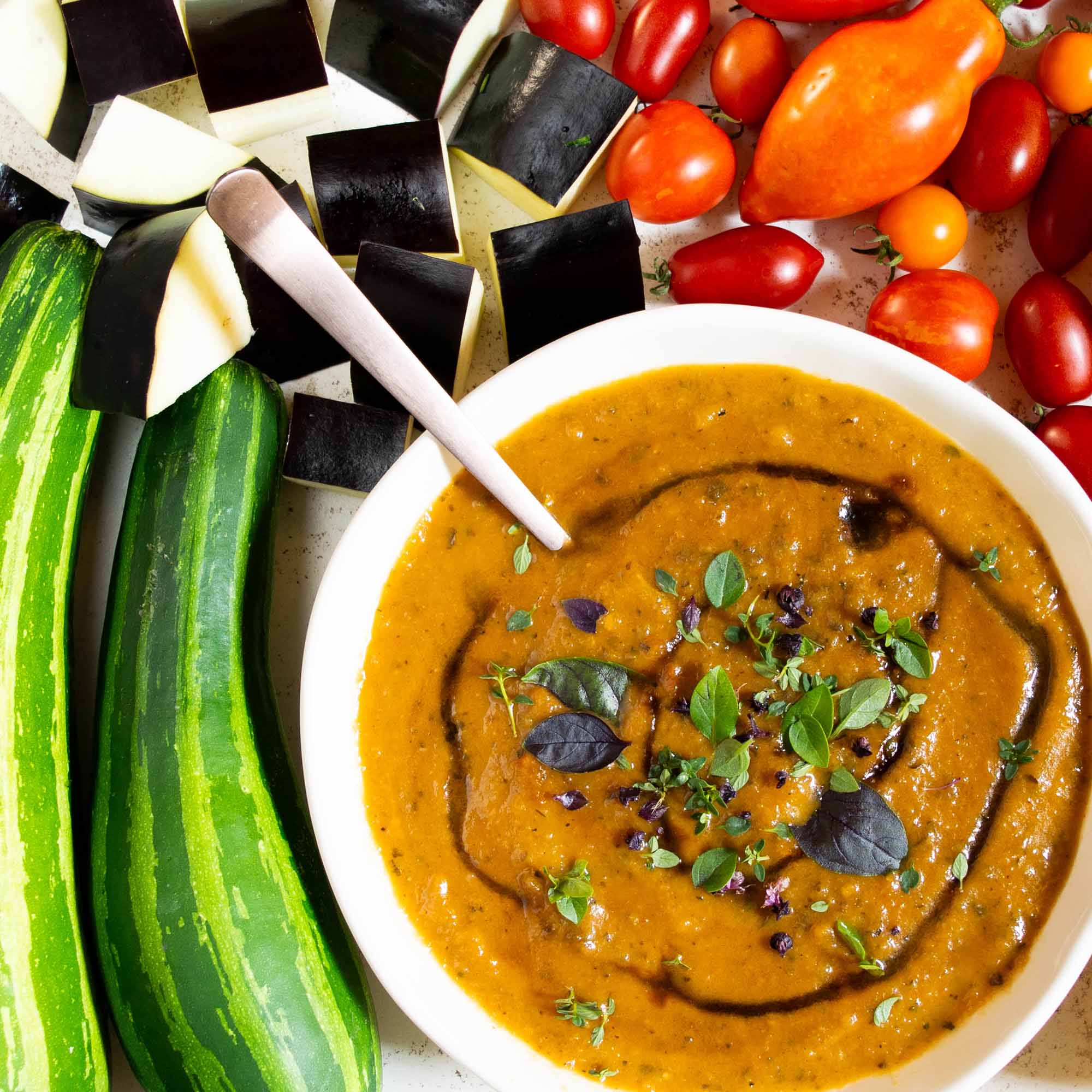
Creamy soups
These are usually made with dairy. They can be smooth and pureed like a cream of tomato soup, or they can be thick and chunky, like a creamy ravioli soup.
Some of these soup can be made without dairy, which I often do. Several different vegetable puree down into a similar creamy consistency:
- Zucchini
- Potatoes
- Butternut squash (and other winter squash)
- Eggplant
They will be lacking that characteristic rich heavy cream feeling, but I still love them all the same.
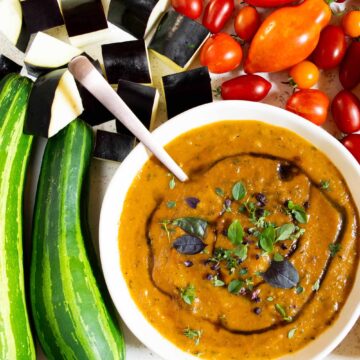
As an example, you can check out this loaded potato zucchini soup recipe that relies on potatoes and zucchini, or this Italian tomato soup that gets its creaminess from eggplants and zucchini.

Pureed soups
Pureed soups blend up all of the ingredients into a uniform consistency. My favorite tool for this job is an immersion blender that you just stick in the soup pot to blend it up.
An immersion blender makes a good creamy soup. However, if you want an extremely fine consistency, a high powered blender is hard to beat.
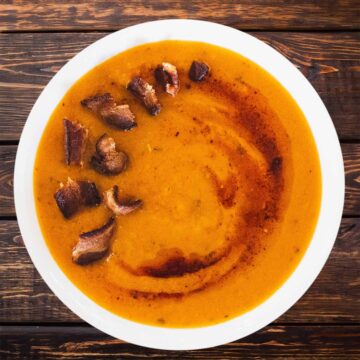
Try one of my favorite pureed vegetable soups, like this yellow squash soup with thyme & honey or this roasted butternut squash soup with Cajun spices and bacon.

Chunky soups
Chunky soups feel really hearty, especially in the middle of winter. The soup base can be thick or brothy:
- Brothy: chicken noodle soup or minestrone
- Pureed: half the vegetable are pureed for the base
- Creamy: chowders or a split pea soup
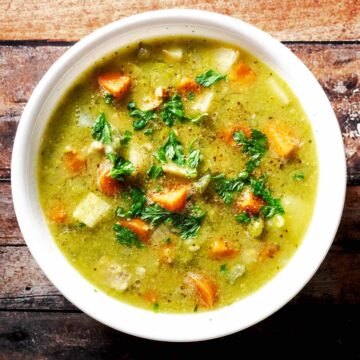
I make chunky soups all year. Try my split pea soup with extra root vegetables to make it really hearty. It's creamy thanks to the split peas breaking down into the broth.
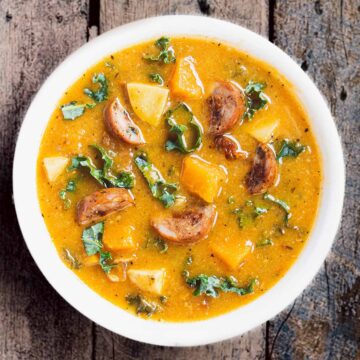
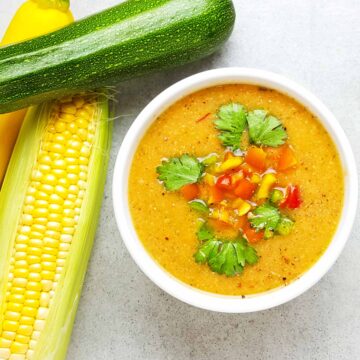
I also make this zuppa toscana soup with butternut squash every fall and this Southwest zucchini corn chowder every summer.
Dutch ovens make the best soup pots
I prefer Dutch ovens over a metal stock pot because I don't have to worry about acidic ingredient reacting with metal.
Dutch ovens also have a lot of other benefits:
- Superior heat retention
- Steadier simmering
- Heavy lids are good at retaining moisture
- Non stick, easy to deglaze
- Easy to wash (other than they are heavy)
I have a 6-quart Lodge Dutch oven as well as a Le Creuset 7.5 quart Dutch oven. I've been comparing them for the past year.
Both brands seem to heat, sear, and cook so closely it's indistinguishable. However, the Le Creuset has a smooth, completely blemish-free surface, whereas the Lodge has tiny, tiny bubbles that may (or may not) chip over time.
Food sticks less easily to the Le Creuset, even when I use higher heat. It also deglazes instantly, whereas sometimes I have to work a (only a little) at deglazing the Lodge.
Other than those minor differences, they are so close, it's up to you if you want the more affordable Lodge or the brand recognition of the Le Creuset.
Soup recipes
-
Zuppa Toscana soup with butternut squash
-
Winter minestrone with seasonal vegetables
-
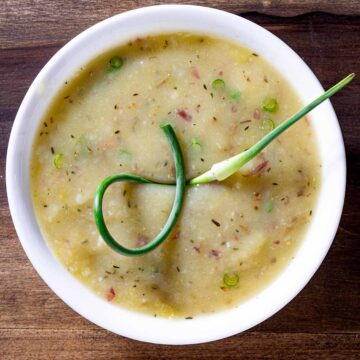
Garlicky potato & leek soup (without cream)
-
Roasted butternut squash soup with bacon
-
Split pea soup with ham & (extra) root vegetables
-
Yellow squash soup with thyme & honey
-
My 5 favorite zucchini soup recipes
-
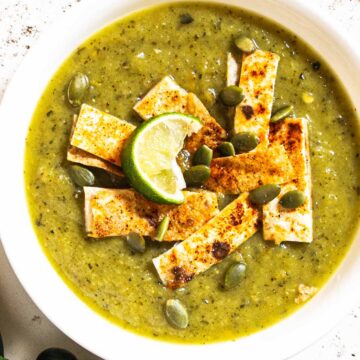
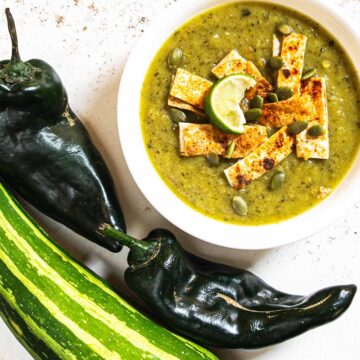
Roasted zucchini poblano soup
-
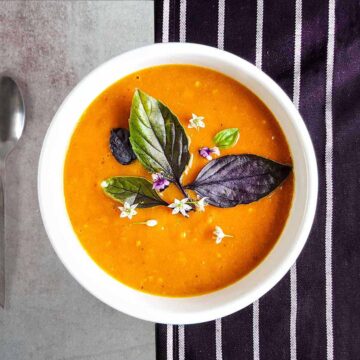
Tomato soup with fresh tomatoes & basil
-
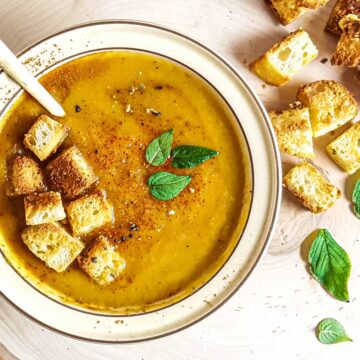
Roasted butternut squash soup with sage croutons
-
Italian tomato, zucchini, and eggplant soup
-
Loaded zucchini potato soup
-
Cauliflower Soup with Gingerbread Spices
-
Southwest zucchini soup
-
Sweet Potato Soup