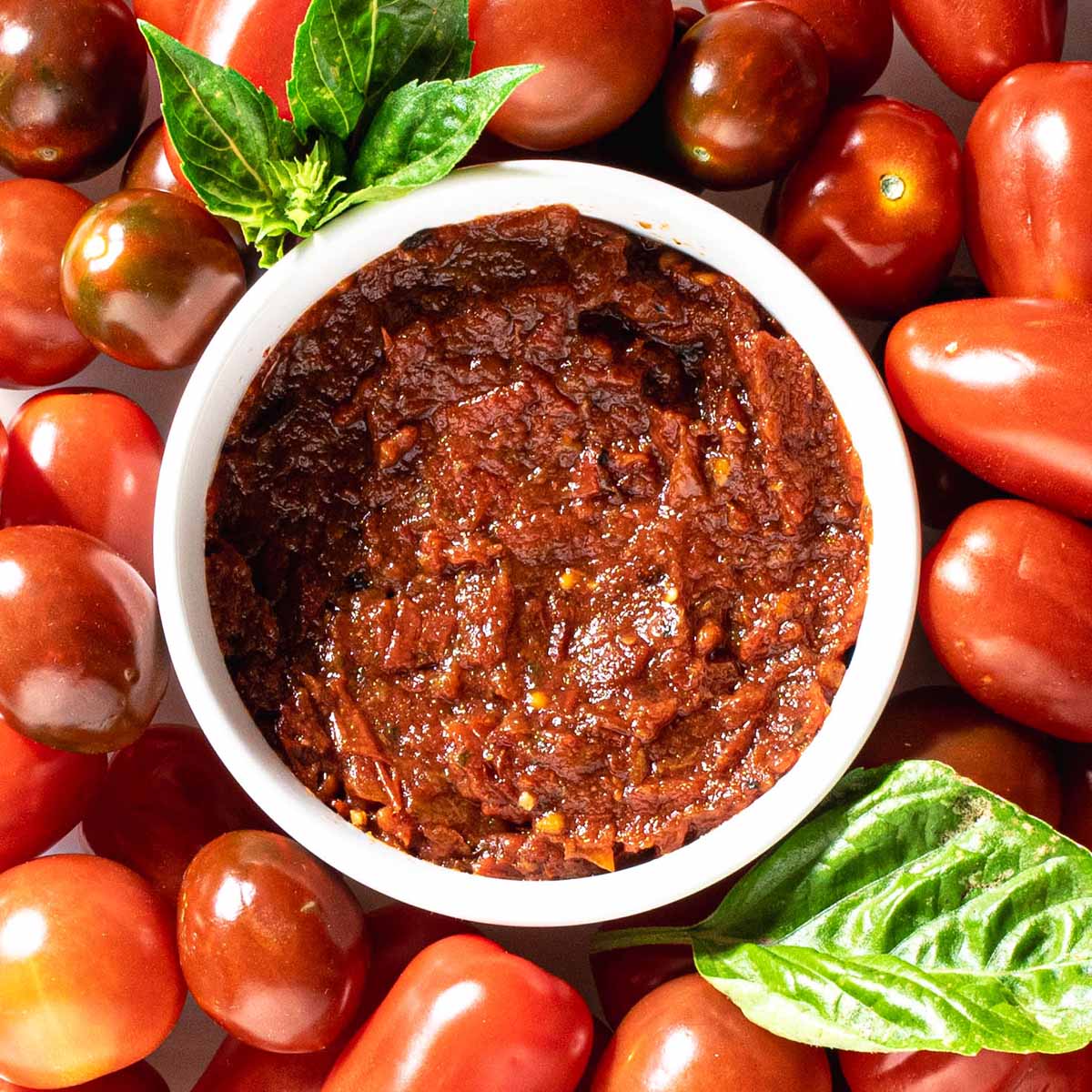
This recipe uses fresh tomatoes for a homemade pizza sauce. It has a rich flavor and is really easy to make. You don't even need to remove the peels or seeds because they are blended right in.
I make a lot of pizza sauce each year from my garden tomatoes, and it feels like I've tried every type of recipe out there. I've found that roasting fresh tomatoes in the oven results in a much better tasting pizza sauce than when they're cooked on the stovetop. The flavor is richer with some caramelized notes compared to a thinner, more acidic flavor on the stovetop.
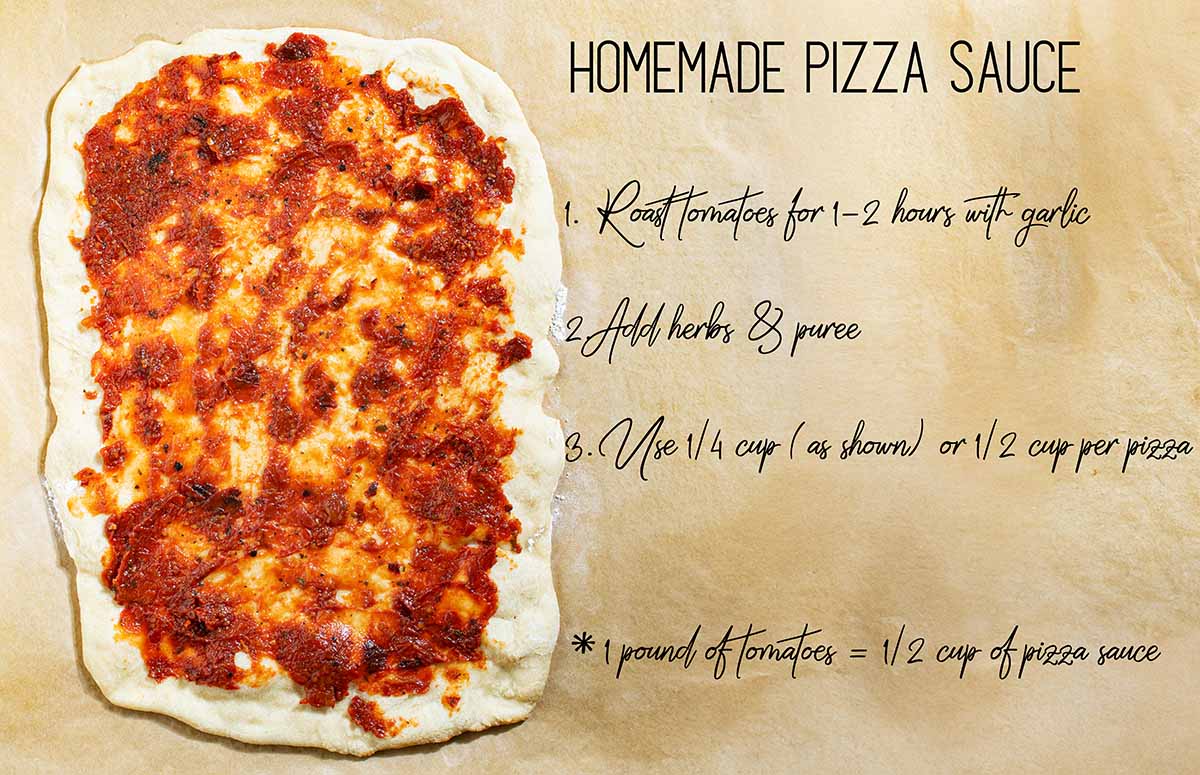
The best tomatoes to use are paste tomatoes, like Roma and San Marzano. You get about ½ a cup of pizza sauce per pound of tomatoes, which is enough for one 12-inch round pizza (or a 9x12 rectangular pizza as shown).
Jump to:
Recipe
Ingredients
- 6 lbs fresh tomatoes paste type preferred, like Roma or San Marzano
- 4 cloves garlic optional
- 1.5 teaspoon salt
- 2 tablespoon chopped fresh Italian herbs basil, oregano, rosemary
Instructions
ROAST FRESH TOMATOES
- Preheat the oven to 350℉. Cut tomatoes in half or quarters (depending on their size) and place on a rimmed baking sheet.Sprinkle everything with salt. Wrap garlic cloves in tin foil with a drizzle of olive oil and add it to the pan (alternatively, roast a whole head of garlic and use the leftovers for other things).
- Roast tomatoes (and garlic) until they start to dry out, about 60-90 minutes, checking on them periodically. Remove from oven and let cool enough to handle.
TURNING IT INTO PIZZA SAUCE
- Add tomatoes, garlic, and herbs into a blender and puree until smooth - you may need to do this in batches. Taste, adding more salt or herbs as necessary.
- Adjust consistency: if you want thicker pizza sauce, return the puree to a baking tray to the oven. Continue to bake until desired consistency, checking every 20 minutes.
STORAGE
- Store in fridge for 1-2 weeks (past that it might get moldy). Or transfer to the freezer.
Notes
Nutrition
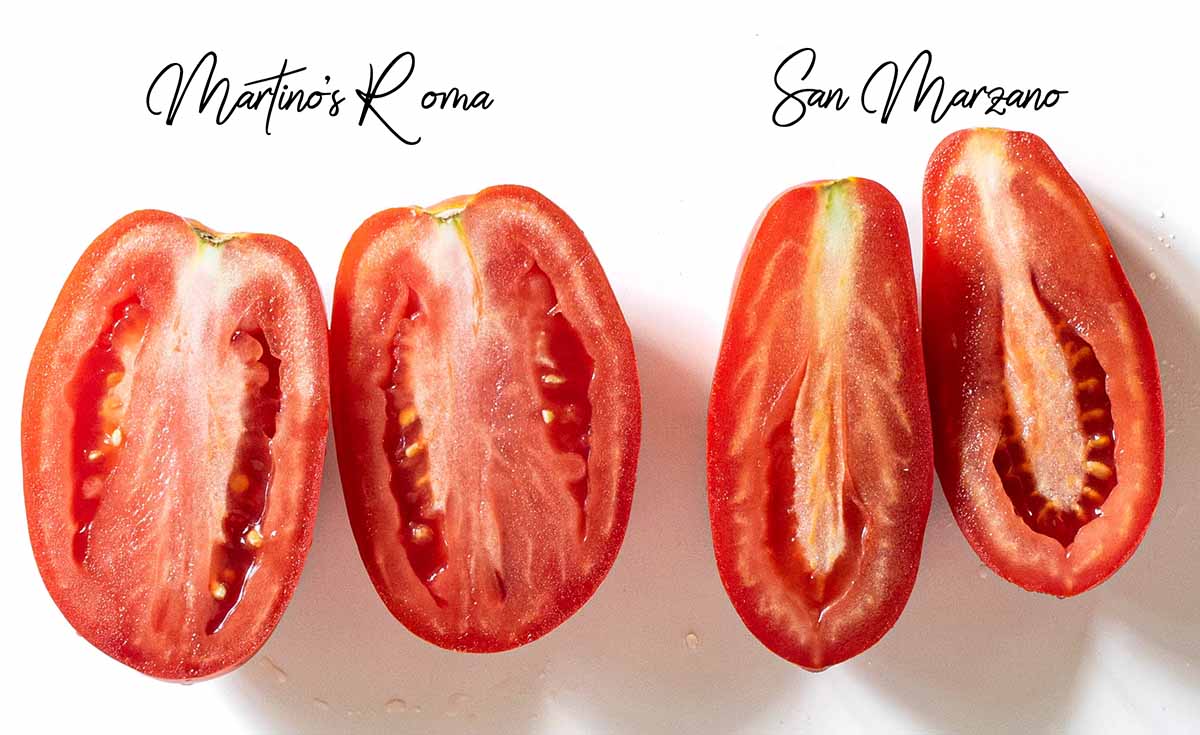
Roma & San Marzano
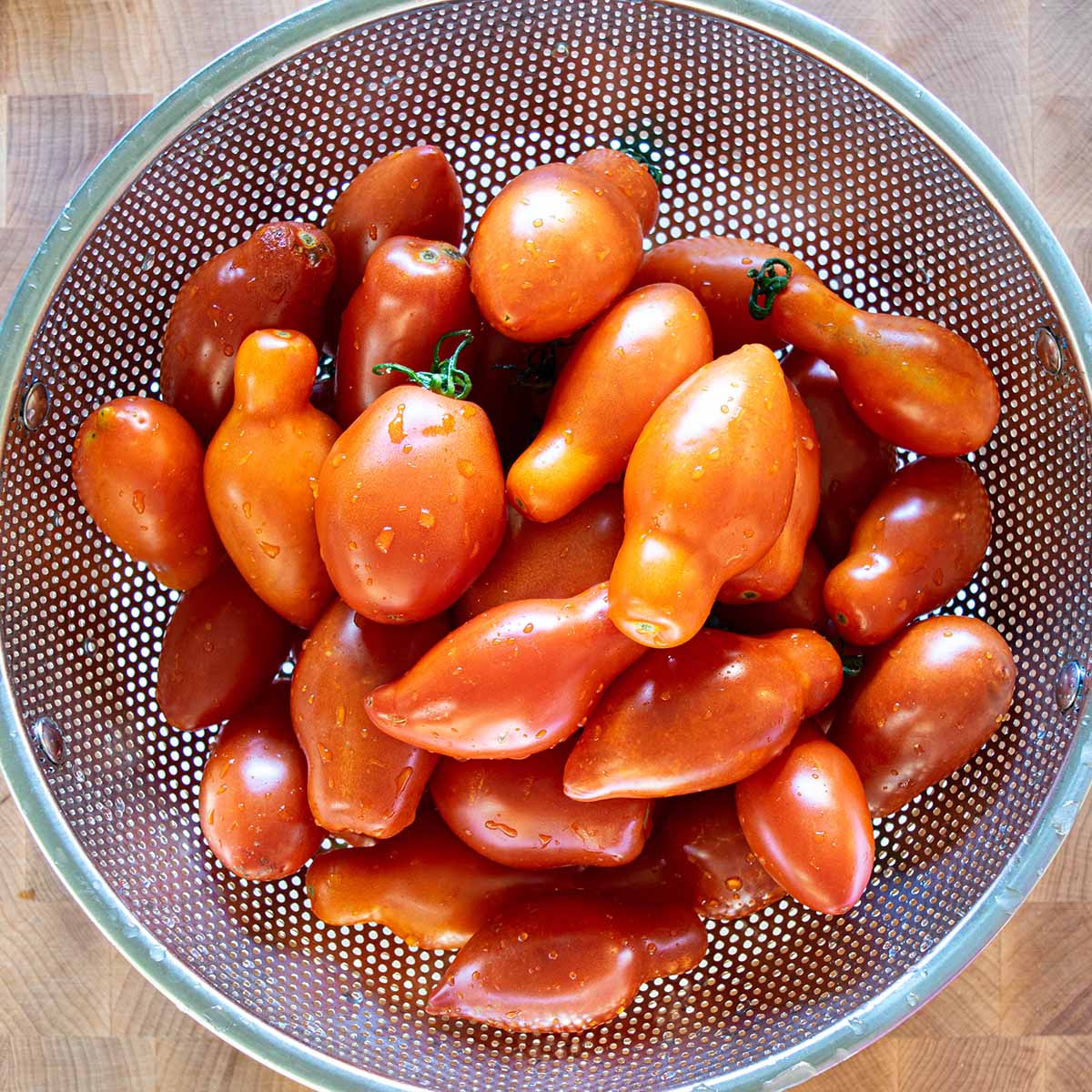
The best tomatoes for making pizza sauce are paste tomatoes, which are sometimes called Roma, plum, or sauce tomatoes. They are medium sized and usually oval shaped. They are prized for making sauce because they have more flesh, less water, and fewer seeds.
At the grocery store, look for Roma and San Marzano tomatoes in the fresh produce department when tomatoes are in season. Both of those will be your best option for making homemade pizza sauce.
San Marzano tomatoes are wildly popular because of the flavorful reputation gained growing in the volcanic soil of Mt. Vesuvius in Italy. In fact, Italy has a DOC designation for San Marzano tomatoes (similar to wine designations!). However, when grown in other regions, the flavor is fairly bland.
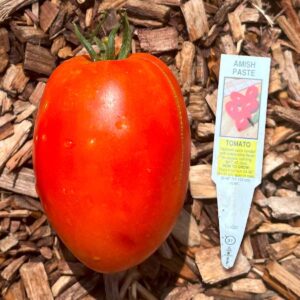
If you're a gardener, try growing a variety called Amish Paste, which are giant, meaty, and flavorful for a paste tomato. Another good option is San Marzano Redorta, a larger relative to the popular San Marzano that has better flavor grown in our US-based soils.
What if you can't find Roma or San Marzano?
Outside of the summer tomato season, it will be hard to find Roma and San Marzano tomatoes at the grocery store (and farmers markets). Or maybe you're growing tomatoes in your garden and have a surplus of other varieties that you want to turn into pizza sauce.
While paste tomatoes are ideal, that doesn't mean you can't use any other type of tomato. I have a few notes to share if you're making pizza sauce with other tomatoes:
- Beefsteak and big slicers will be a lot more watery, requiring a longer cook time to thicken. Consider placing them on a rack with a tray beneath them so they don't stew in their own juices. Alternatively, take them out after 1-2 hours of roasting, puree, then return to the oven to further dry out.
- Grape and cherry tomatoes will be less watery, but have a higher skin-to-flesh ratio. The skin actually adds a fair amount of flavor and the peels aren't noticeable on the pizza like they would be in a sauce. To roast, cut in half.
- Heirloom tomatoes probably have better flavor and most sold in stored are medium to large. You might want to treat them like the beefsteak & big slicers listed above.
- Larger tomatoes are cheaper by the pound than cherry tomatoes.
Using fresh tomatoes
A pizza sauce with fresh tomatoes doesn't take much prep work. Simply cut them into large chunks and roast. What about peeling or removing seeds? It's not necessary as it all blends into the final texture. But let's get in to more detail for those of you still wondering about it.
Leave the skin on
In a fresh tomato sauce for pasta, the peels can be noticeable. They separate from the tomato into ribbons and can ruin the texture of a sauce. But I can assure you that's not the case for a pizza sauce like this. That's because once the tomatoes are dried out enough from roasting, they get pureed into a texture half way between sauce and paste.
Once the pizza sauce is spread onto a pizza, with all of the other toppings, you won't notice the peels at all. This isn't just to save you time either. The peels typically have a higher concentration of flavor compounds and nutrients than the flesh.
No need to remove seeds
Paste tomatoes don't have a lot of seeds compared to other varieties. But the seeds are really soft, especially after roasting and easily blend into the rest of the pizza sauce texture.
Another reason to leave the seeds in is that they also add a savory, umami character to the pizza sauce. Tomato seeds contain about 10x more glutamic acid (an umami compound) than the flesh.
Should I squeeze out extra water from the tomatoes?
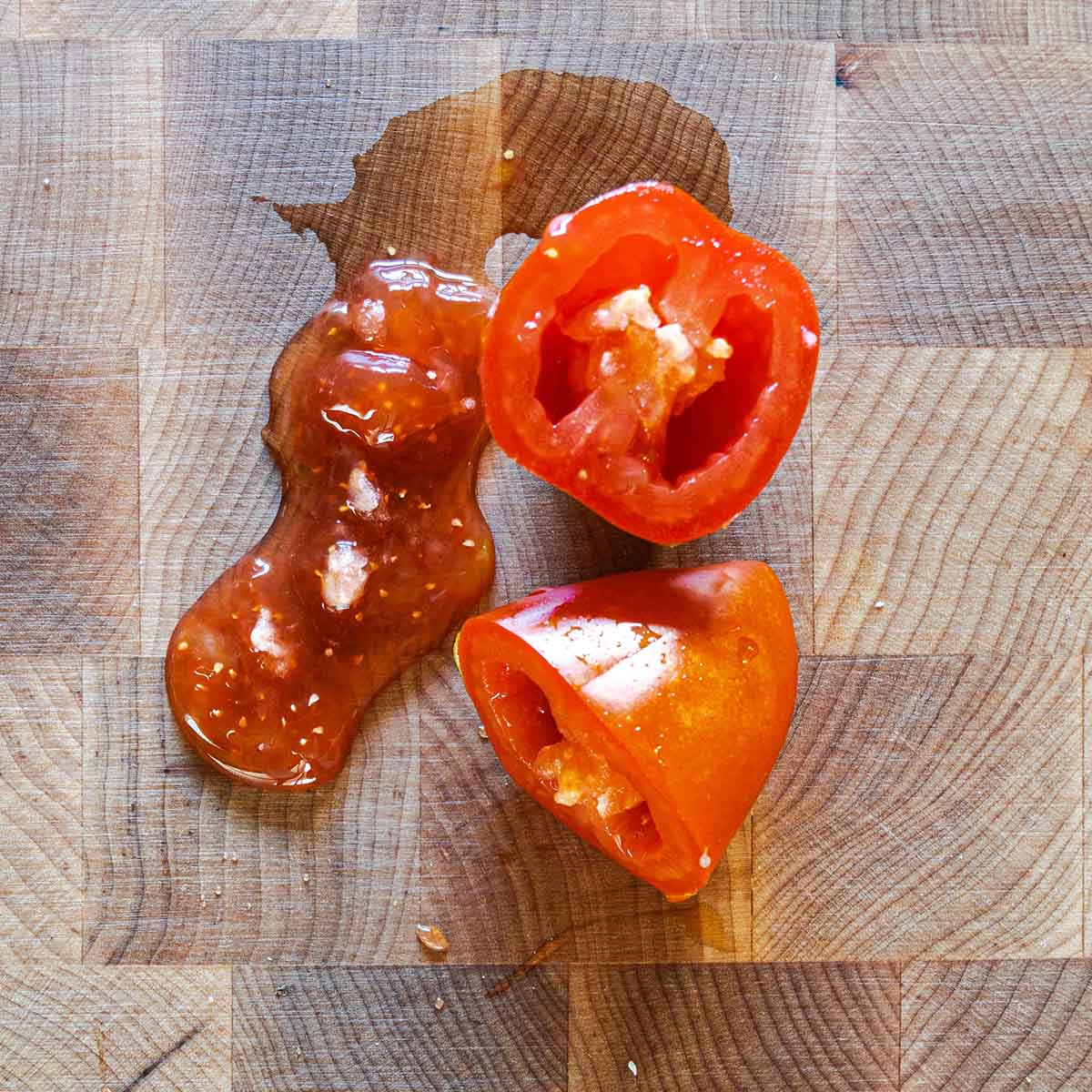
I see some recipes suggest squeezing the jelly-like juices from paste tomatoes before making a sauce. I've found that when roasting them, there is no need and it's actually better if you don't.
That jelly like substance also happens to contain a good amount of flavor. In paste tomatoes, there's so little extra moisture that it's not necessary to remove it. The water evaporates, leaving behind a bunch of the tasty flavor molecules.
How many tomatoes do I need?
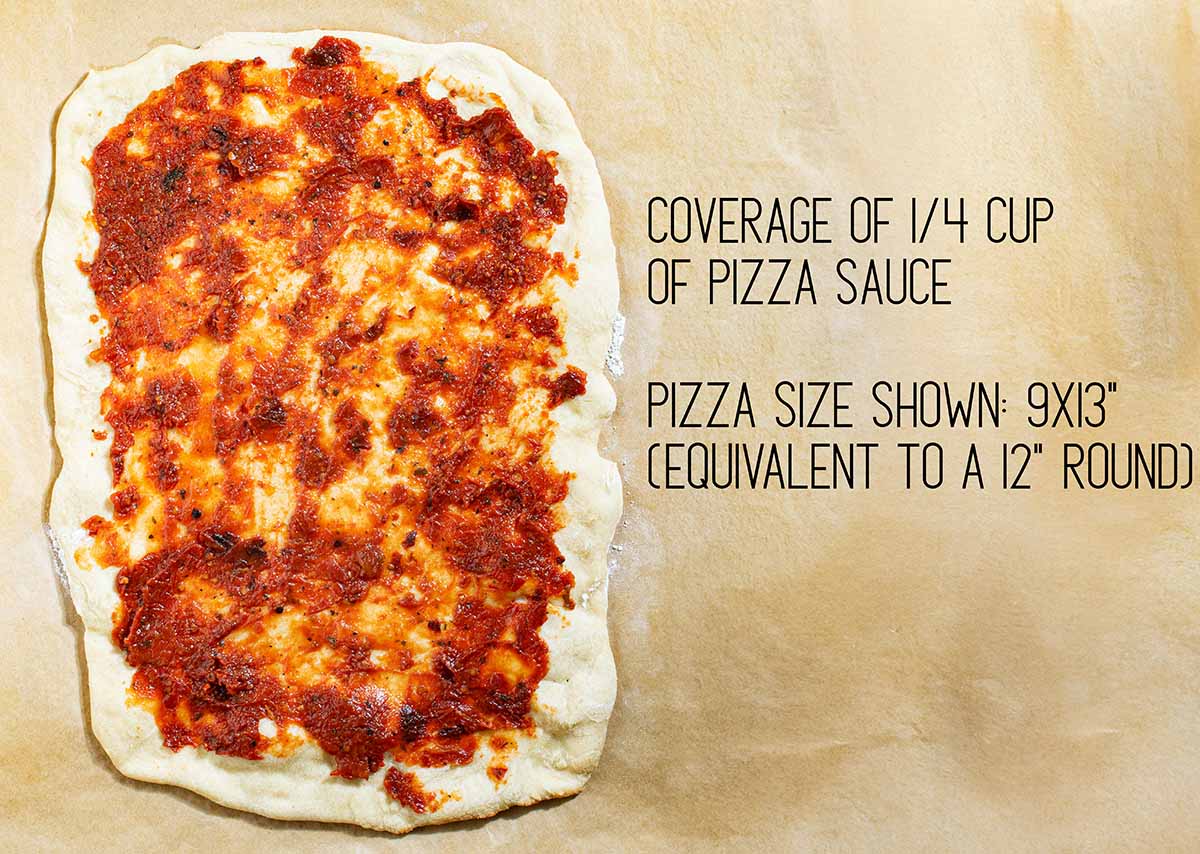
One pound of paste tomatoes turns into about ½ a cup of thick pizza sauce, enough for 1 pizza.
A 12" homemade pizza uses about ¼ to ½ cup of pizza sauce. When I add sauce to my pizzas by eyeballing it (no measuring), I pretty consistently use ½ a cup.
Roma tomatoes seem to average around $2.50 a pound at the grocery store. A vendor at my Chicago-area farmers market offers a bulk price of $1.00 a pound. I started with a 15-pound box which made 7.5 cups of pizza sauce.
Making the pizza sauce
Roasting fresh tomatoes is the best way to make a flavorful pizza sauce. It dries them out better than cooking in a pot, while also adding flavor as they caramelize on the baking tray.
This method even rescues tomatoes you buy in the winter, which lack flavor compared to in-season tomatoes.
Cooking time
Paste tomatoes (including Roma and San Marzano) will cook down enough in about an hour and a half in a 350°F oven. But it's worth checking on them after about 45 minutes in case your oven cooks hotter, your tomatoes are dryer to begin with, or you cut them smaller than I did.
Next I want to share some photos of roasting a mix of San Marzano and Martino's Roma tomatoes from the farmers market.
Roast & puree the tomatoes
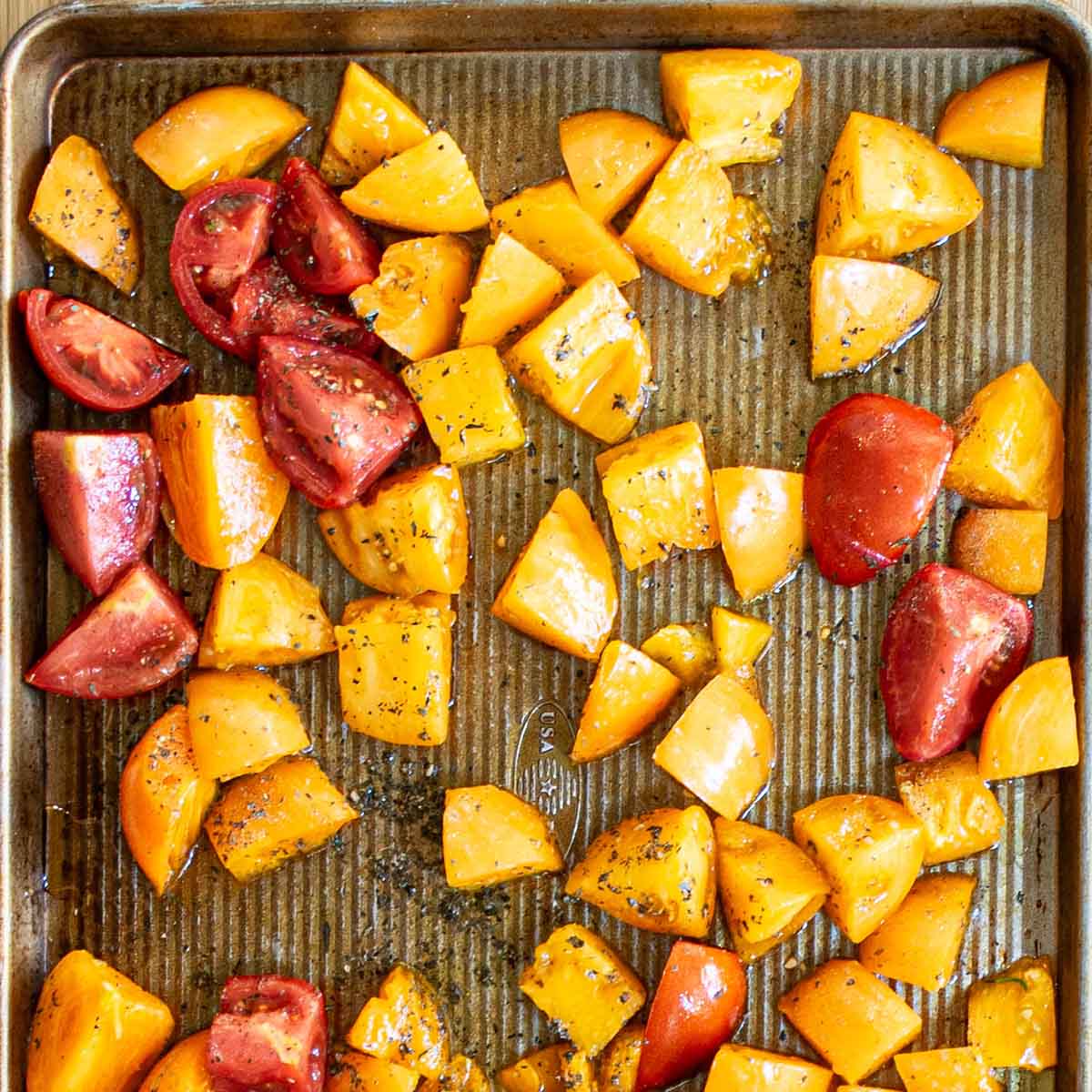
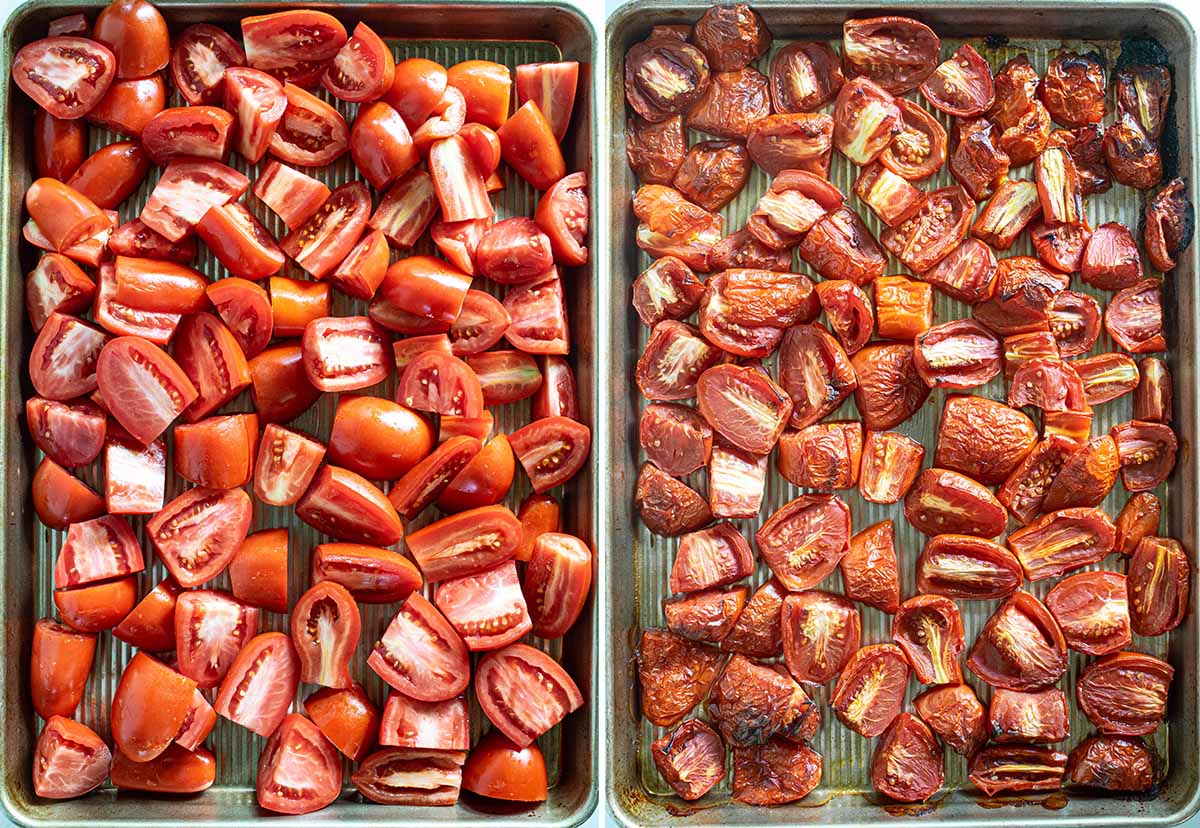
I cut the fresh tomatoes in halves or quarters, depending on the size, pictured above, left. On the right is how they looked after roasting. You can see they are drying out, but some moisture remains.
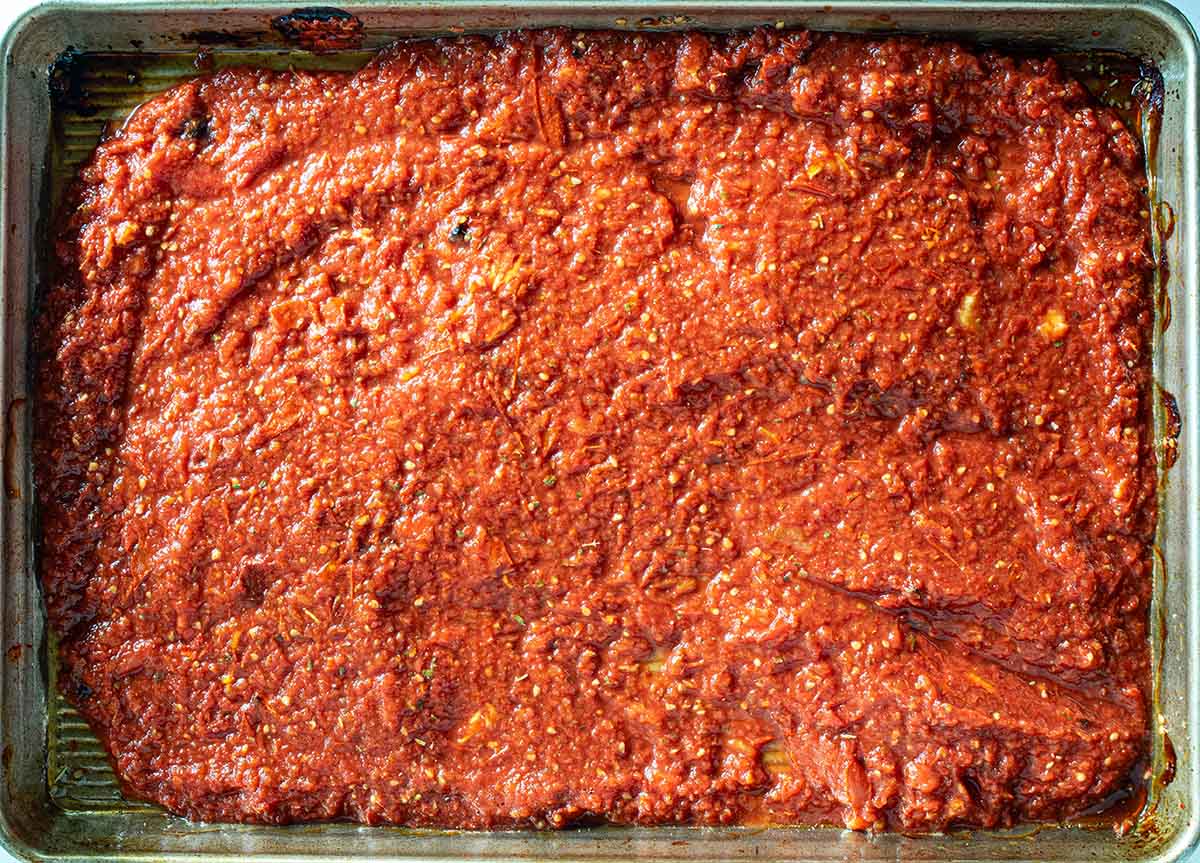
I took the tray of roasted tomatoes from that picture and blended them up, as shown above. The texture is perfect for some of you, half way between a sauce and a paste. In that case, stop here - you're done.
Making an even thicker pizza sauce
I like a thick pizza sauce, which is just a personal preference. One reason I make homemade pizza sauce is to be able to get a nice, concentrated tomato flavor on my pizzas. A thick sauce adds more flavor without creating a soggy crust.
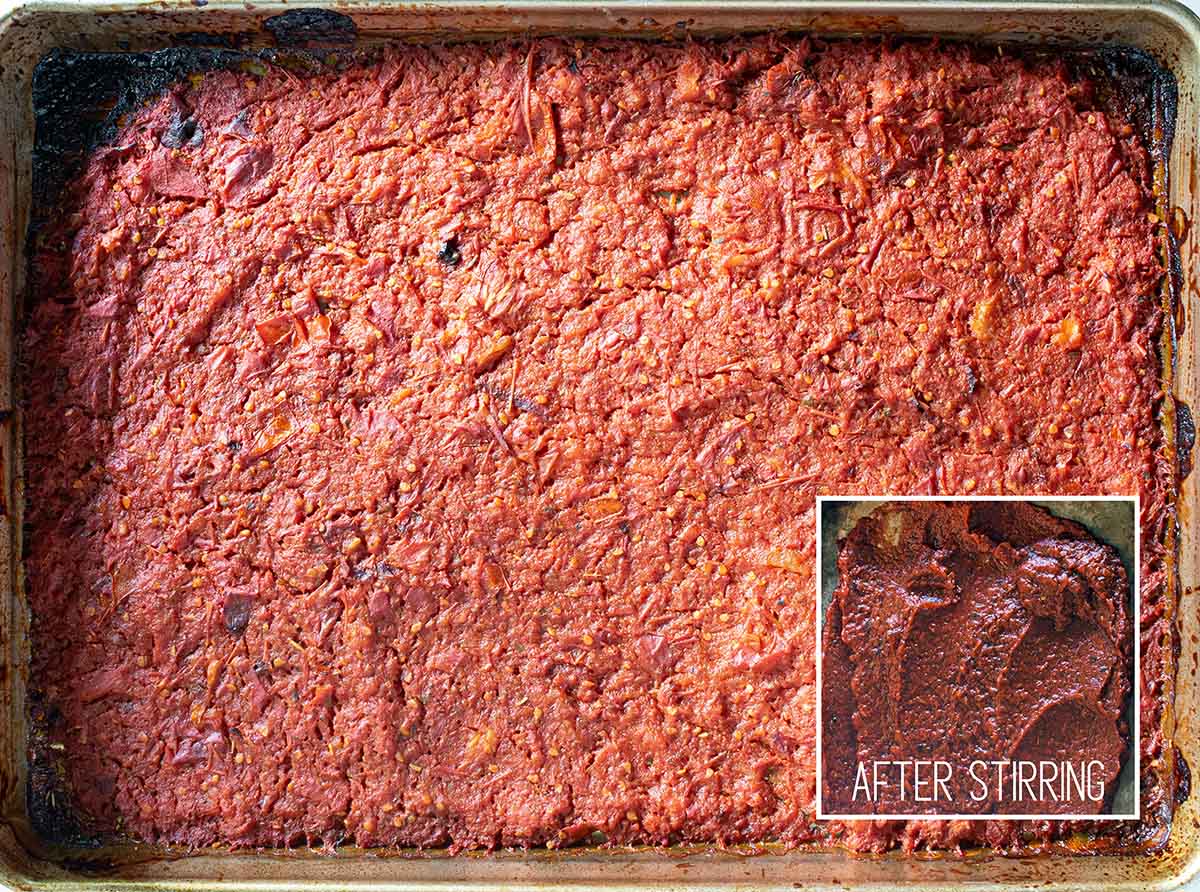
To make the sauce thicker, I took that tray of blended tomatoes and put it back in the oven to dry out some more (pictured above). It looks really dry, but there is a fair amount of moisture beneath the surface. You can see the real consistency in the corner closeup photo.
You'll probably end up roasting it for 15 minutes to an hour, depending on how watery your tomatoes were to begin with. Even if you've made a pizza sauce on the stovetop, you can pour it into a rimmed baking sheet to thicken it the same way.
If it's ends up too thick, puree it with some fresh, uncooked tomatoes and you'll be all set.
Adding other flavors
I made a classically flavored pizza sauce for this recipe, but you can also add onions, bell peppers, or even more garlic to the tray for roasting. They might cook at different speeds, so consider putting them on their own tray (or at least sectioned off together) so you can remove them early or let them cook longer if needed.
What about olive oil? Most of the time we toss vegetables in olive oil before roasting them, but not for this recipe. Oil actually helps keep moisture inside the vegetables, which is counter to our goal of drying the tomatoes out enough to form a meaty, almost paste-like consistency.
Storing extra pizza sauce
Homemade pizza sauce lasts about a week in the fridge. Possibly longer depending on how much you've dried it out. For longer storage you'll want to freeze it or make a batch for canning.
I prefer freezing because I think the flavor is better (and I live in the Midwest so I have the prerequisite freezer!). Processing the jars for canning changes the flavor with the extra 45 minutes of boiling water and it's more acidic from the added citric acid.
Freezing
Before you freeze the pizza sauce, consider how much you will use at a time. If you're only making a single pizza or two, freeze it in half-cup jelly jars or even in ice cube trays. For big batch pizza making, you can freeze them in pint jars (or whatever you have on hand).
Canning
Do not use this recipe for canning, as adds low-acidic produce (like garlic), and doesn't include the necessary citric acid (or lemon juice) to maintain safe acidity.
I do have a very similar recipe if you want to make pizza sauce for canning. It follows the Roasted Tomato Paste recipe from the Ball Book of Canning & Preserving, with some added dried herbs (which is safely allowed according to Penn State's Extension office).

More recipes & resources
In case you're interested in other recipes for making pizza sauce, I found a few for you to try:
- Quick & easy: toss fresh tomatoes, herbs, and a can of tomato paste in a blender and puree until smooth. That's it! This will also preserve the fresh tomato flavor, so it's a win-win. Recipe from Kitchen Treaty.
- On the stovetop: puree tomatoes in a blender, then cook on the stovetop for about 20 minutes (be careful of splatter as it thickens). From Swathi's Recipes.
- Chunky pizza sauce on the stovetop cooks the tomatoes down without pureeing them. Recipe from Inspired Taste.
If you're making a large batch and want ideas on using up that pizza sauce (besides pizza!), here are some recipes to get you started.
- 25 recipes that start with pizza sauce, by Taste of Home
- 22 ways to use up pizza sauce, by Crust Kingdom
- Pizza baked pasta by Rachel Cooks
- Chicken parmigiana by A Simple Palate
- Meatball sub sandwich by Modern Proper
Looking for other ways to use up your tomatoes?

If you're wondering what else is currently in season, check out my calendars to see what produce is in season each month (and coming up soon).

Leave a Reply