Small, sweet pumpkins that are used for cooking and baking are most often referred to as sugar pumpkins, pie pumpkins, sweet pumpkins, or baking pumpkins. The terms are all interchangeable and refer to the same thing.
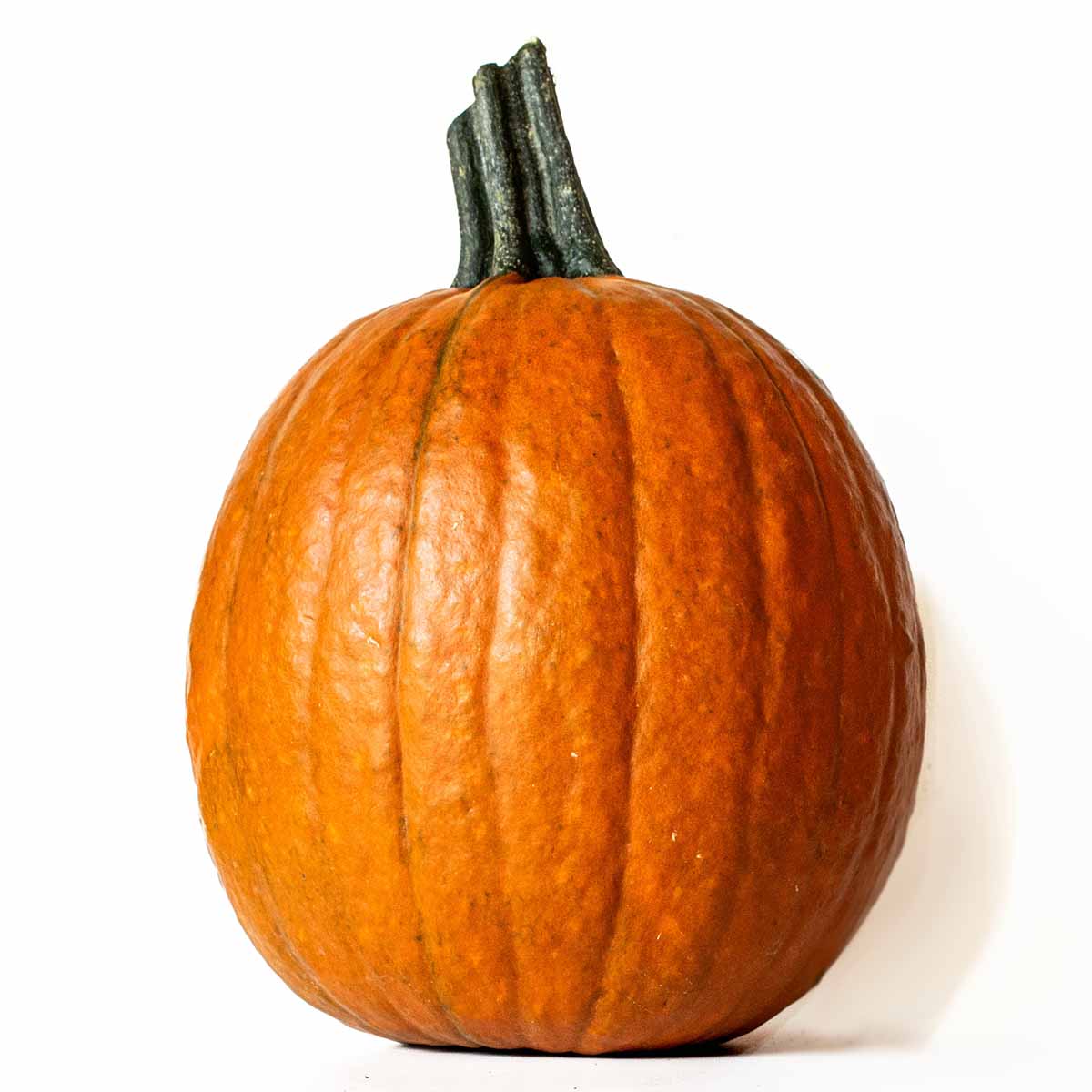
Sugar pumpkins have a pleasant squash flavor with a smooth flesh. They aren't stringy like the larger carving pumpkins. But despite their pie pumpkin name, these won't have the traditional pumpkin pie flavor (more on that below).
Jump to:
Season
Sugar pumpkins are in season in fall and throughout winter. They show up at farmers markets in August or September (give or take a month depending on your climate). Grocery stores often have them from September into December.
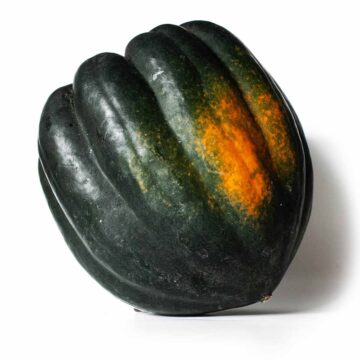
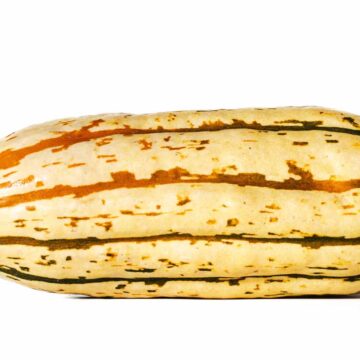
They belong to the Cucurbita pepo family, which also includes delicata, acorn squash, zucchini and other summer squash. While there are various types pumpkins in other Cucurbita families, this one is considered the true pumpkin species.
Storage
Like many other winter squash varieties, sugar pie pumpkins store well, lasting 2-3 months at home. Store them in a cool, dark place that also has air flow to prevent mold. I store mine in the basement, in a room separate from the furnace which can make the room too hot. If you don't have a basement, open shelves in a dark area away from heat-producing appliances also works well.
Don't put sugar pumpkins (or other winter squash) in the fridge. They will deteriorate much faster when stored below 50°F, as reported by N.S. Mansour at OSU.
Selection
When choosing pie pumpkins this season, look for ones with the stem still attached. Look it over for soft spots (which are often found on the bottom), or splits or cracks in the skin.
Avoid pie pumpkins where the stem looks fresh and green. Those were likely picked too early. The ideal time to harvest a pumpkin is after the stem has started to harden and usually starts to turn brown and dull.
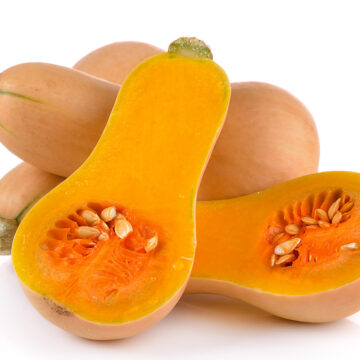
When winter squash are harvested too early, the flesh will be inferior. Professor Rhoda Burrows from SDSU explains, using butternut squash as an example, "If harvested too early, the developing seed inside butternut squash will utilize nutrients stored in the flesh to mature, decreasing its eating quality."
Resist the temptation to carry the sugar pie pumpkin by the stem - if it falls the from the stem, it will bruise. When the stem is removed, the pumpkin is also susceptible to rot and loss of moisture at that spot.
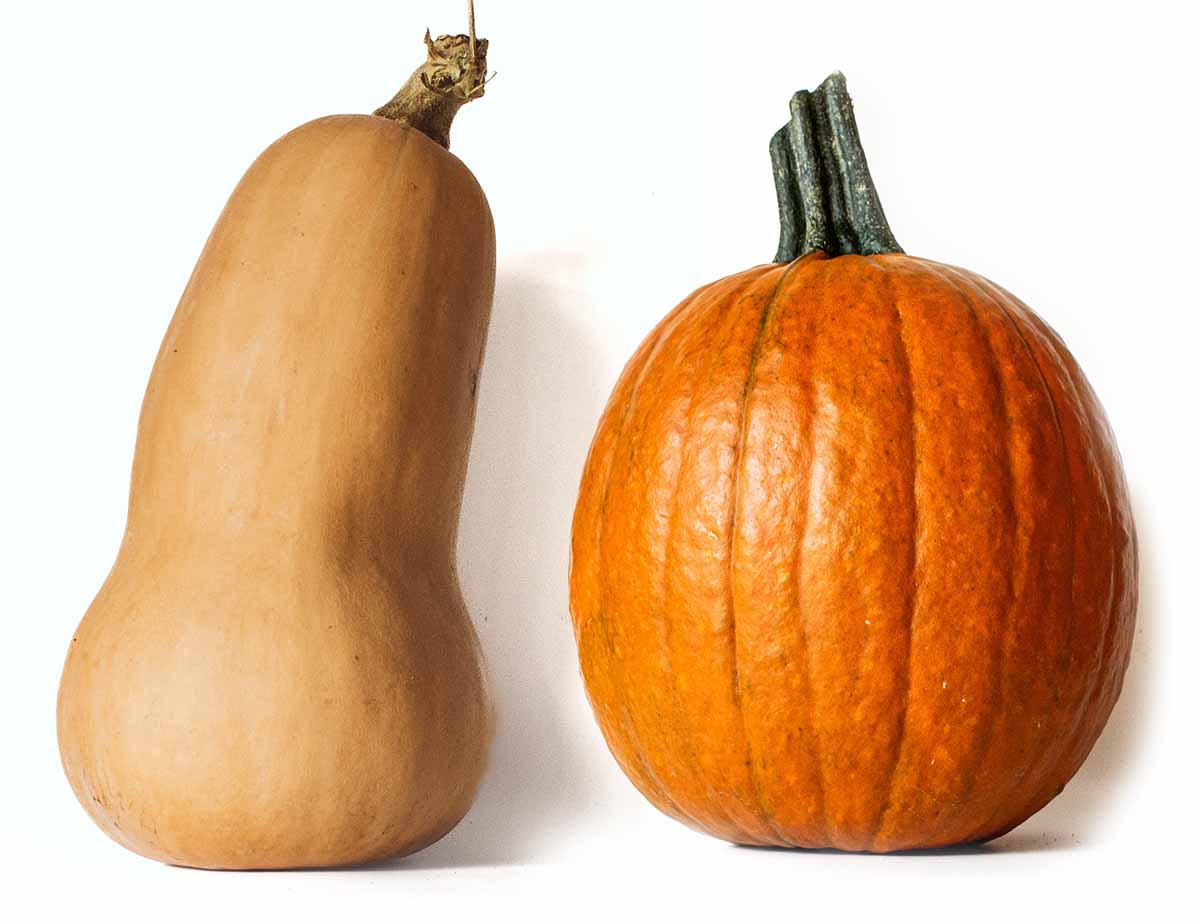
Sugar pie pumpkins should be between 2-8 pounds, with a diameter of up to 8-10 inches (larger ones tend to not be as good). The exterior should also have a dark orange color.
Flavor
Sugar pumpkins have a light winter squash flavor and are a little sweet. Roasting brings out their sweetness, but they don't have as rich of a winter squash flavor as other varieties.
The flesh is firm and smooth. Sugar pumpkins are slightly more moist than acorn or butternut squash, but without the stronger nutty undertones.
Canned vs fresh pumpkin puree
Canned pumpkin puree used for pies is not made from sugar pie pumpkins. The majority of canned pumpkin comes from Dickinson pumpkins (or a related descendant). They are larger with tan skin and belong to a different winter squash family.
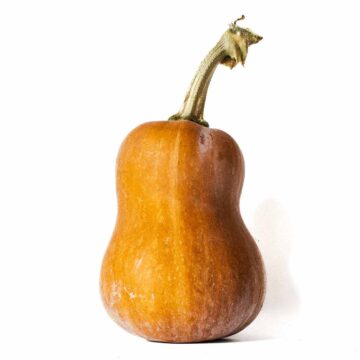
While pie pumpkins belong to Cucurbita pepo (along with delicata and acorn squash), Dickinson pumpkins belong to the Cucurbita moschata family. The moschata group tends to have the sweetest squash and includes butternut and honeynut squash, and "cheese" pumpkins.
Taste tests
Plenty of people use pie pumpkins to make homemade pie filling with great results. I've made over a dozen pies with fresh pumpkin puree. Fifteen Spatulas and Handle the Heat both published comparisons of homemade pumpkin puree to the canned versions.
After a blind taste test, Joanne at Fifteen Spatulas noticed the canned pumpkin had an off flavor compared to the fresh pumpkin, and the fresh pumpkin had a richer flavor.
I also conducted a taste test with a whole bunch of people and a dozen different pies. Each person preferred one of the pies made with fresh pumpkin over the Libby's.
Substituting canned with fresh pumpkin
Canned pumpkin is consistent in both texture and moisture levels. Fresh pumpkin puree from sugar pumpkins tends to be just a little more watery.
This can cause problems in recipes, so be sure to drain off excess liquid. Baking recipes are quite sensitive to moisture levels, but it barely matters when making soups or sauces.
There are a few tricks to remove the excess liquid from freshly pureed pumpkin:
- After it's pureed, set it over a fine mesh sieve for an hour to drain the excess water
- To test consistency, put the puree in a small water glass and pack it down. Then flip it upside down onto a plate. It should hold its shape, while slumping just a little bit at the bottom. (This tip is from America's Test Kitchen, which shares photos of it unmolded)
How to use sugar pumpkins
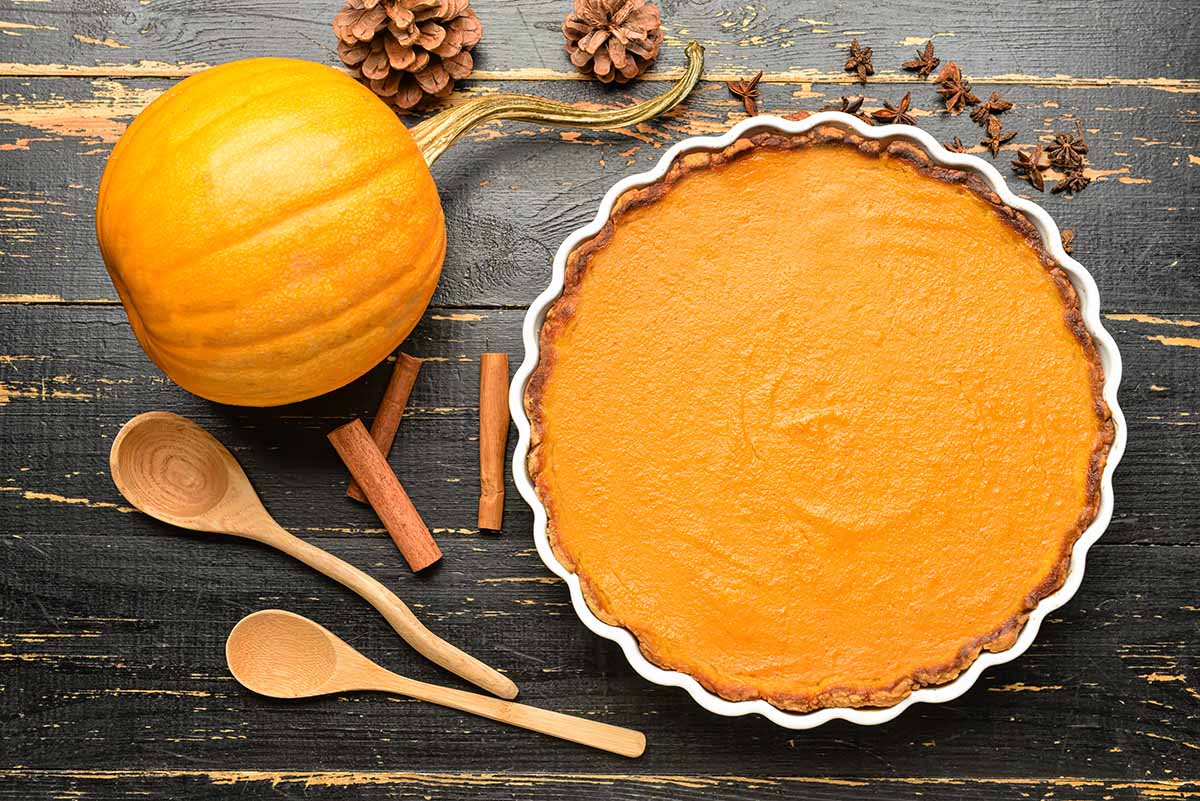
Sugar pie pumpkins are mostly known for their creamy flesh after roasting - which can be pureed for a homemade pumpkin pie. Other uses require removing the skin, which is usually a time consuming task.
Pumpkin puree
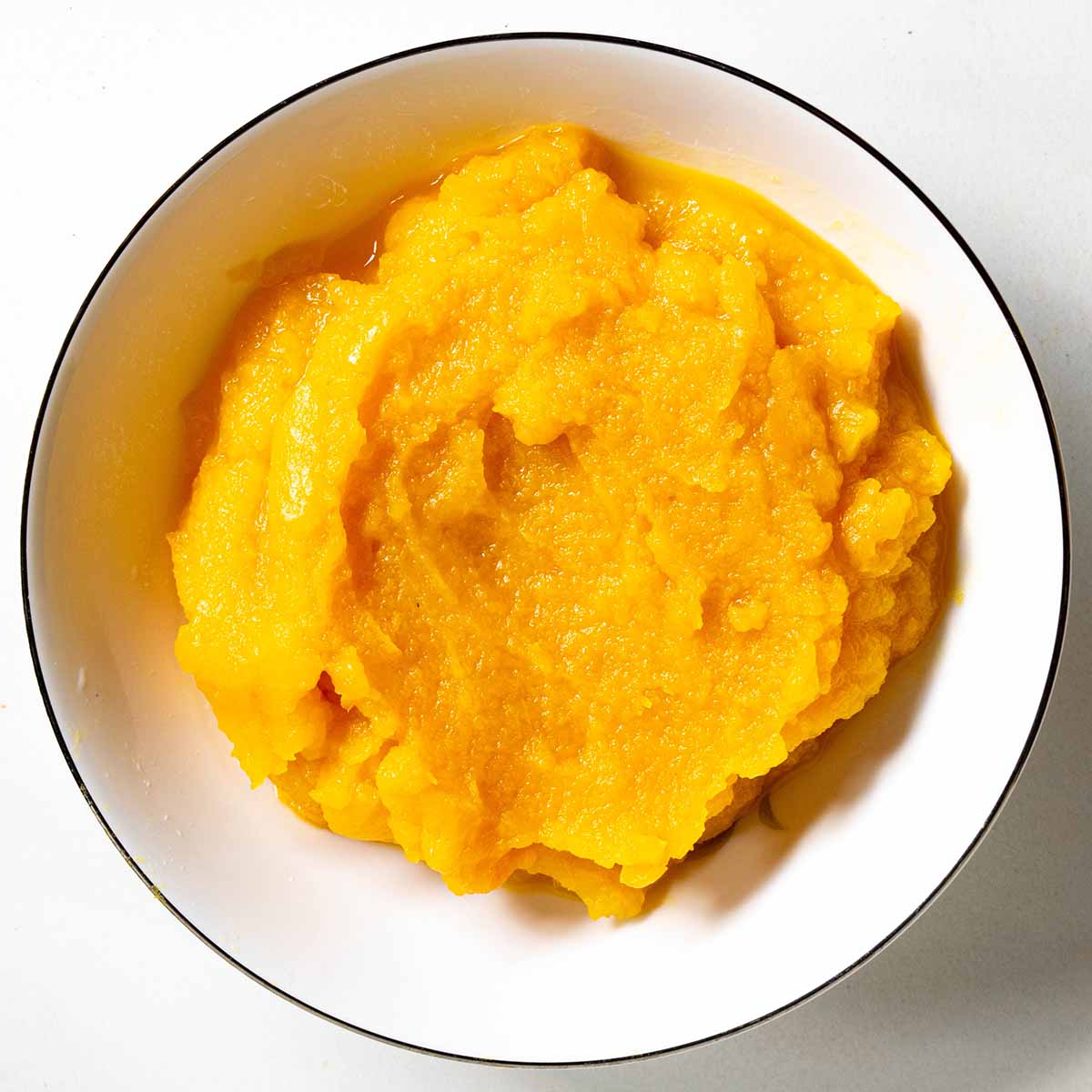
The easiest way to use a pie pumpkin is to cut it in half, roast it, then scoop out the flesh. After roasting, the flesh is incredibly soft and easy to scoop out.
The pureed flesh is incredibly versatile with a smooth texture, which is why it's so popular. Here are some of the best ways to use pureed pie pumpkins:
- Pumpkin curry
- Soups or chilis
- Stuffed into ravioli or pasta shells
- Pumpkin gnocchi
- Pasta sauce or sauce for lasagna
- Sauce for chicken or pork
- Pumpkin spice smoothie
- Quick bread, muffins, or cake
- Cookies, like these chewy, fresh pumpkin crinkle cookies
- Added to pancake or waffle batter
- Added to oatmeal or overnight oats
- Pumpkin ice cream
For any baking recipe or a recipe where water content matters, be sure to strain excess liquid from your pureed flesh. Let it sit over a fine mesh sieve for an hour.
Get more detailed instructions on my homemade pumpkin puree recipe.
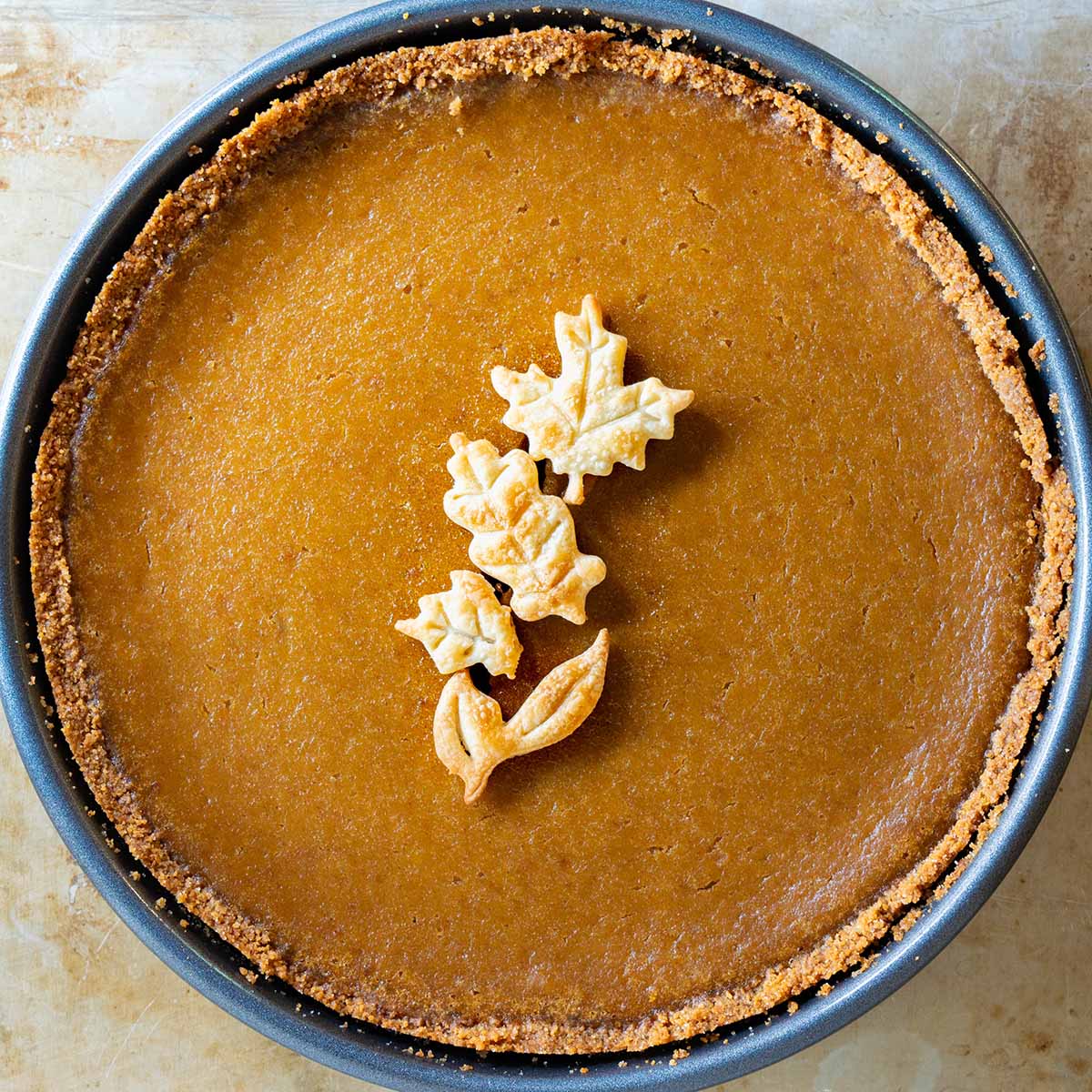
Pies
I've used both orange and white sugar pumpkins to make pumpkin pie from scratch. I highly recommend trying it, at least once!
Wedges
Sugar pumpkins are sometimes roasted in wedges with spices and served as a side dish. The skin can be left on but eaten around (it's technically edible but terrible). Alternatively, you can usually peel the skin right off after it's been roasted.
Removing the skin
There are actually very few recipes that use fresh pumpkin outside of pureeing it. Sugar pumpkins work just as well in recipes, like a sheet pan of roasted vegetables or added to a winter salad. The problem lies in the skin removal step.
Unlike roasting pumpkin halves and scooping out the flesh, removing the skin when raw can be a daunting task. One method is to cut the raw pumpkin into strips (or chunks) and then cut the skin off each slice with a knife. This is pretty time-consuming.
Another way to peel them is by using the microwave, as shared by Ambitious Kitchen. Put the sugar pumpkin in bowl and microwave for 2-3 minutes until the outside feels slightly soft. Remove it, cut it in half and then into wedges. The skin should peel right off or be easily removed with a knife. Get the full tutorial (along with pictures) from Ambitious Kitchen.
Roasting sugar pumpkin seeds
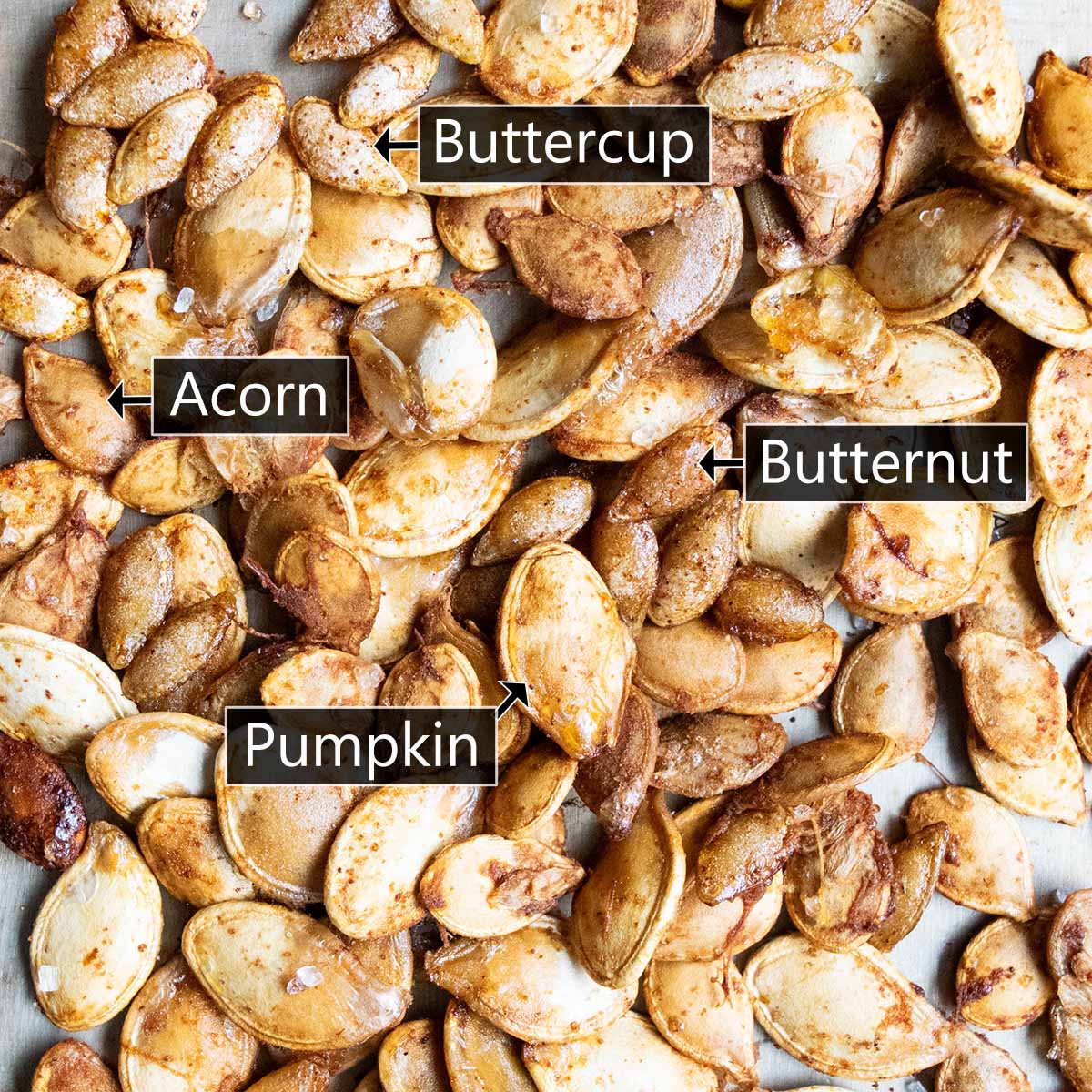
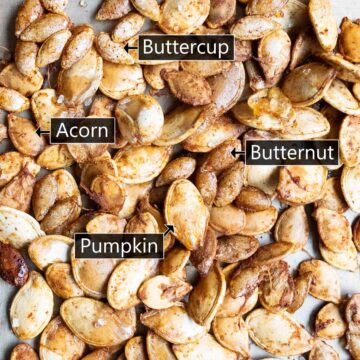
Jack-o-lantern seeds aren't the only pumpkin seeds that can be roasted. Sugar pumpkin seeds are edible, and so are all winter squash seeds. Carving pumpkins typically have the largest seeds, while other winter squash will have smaller seeds of varying sizes.
Roasting the seeds of different types of winter squash can all be done the same way. Smaller seeds are done cooking a few minutes before larger ones, but that's really the only difference.
Sugar pumpkins can vary in size quite a bit, some are 2-3 pounds and other are 6-8 pounds. Smaller pumpkins will have about ⅓ cup of seeds and larger ones might have up to a ½ cup.
For a super quick snack, roast the seeds for 5-7 minutes in a 375 degree oven. It's worth the minimal extra effort to roast them while you are using the sugar pumpkin for some other recipe. Simply scoop out the seeds (no need to wash them), toss with oil and spices and roast.
Or follow my low & slow method for roasting any type of winter squash seeds to make them extra crispy and never burnt (even when adding sugar for a sweet snack).

Carving pumpkins vs pie pumpkins
Carving pumpkins and pie pumpkins are related, but they have a few notable differences. Carving pumpkins are bred to make them easy for carving, and pie pumpkins are bred for flavor and texture.
Carving pumpkins
These pumpkins are sometimes referred to as 'regular' pumpkins because they are more familiar to us. Carving pumpkins have thinner walls and less flesh - making it much easier to pierce with a knife or other carving tools. They have a larger cavity inside, making them relatively light for their size. This is incredibly helpful when handling really large pumpkins.
While carving pumpkins are edible, they aren't that great. Their flesh is stringy and flavorless. Also, you should never eat a carving pumpkin that's been carved and sitting out!
Carving pumpkins can be small or gigantic. Large ones are definitely not sugar pumpkins. On the other hand, smaller ones can be easily confused with sugar pumpkins. If they aren't specifically labeled, they are most likely carving pumpkins. Pie pumpkins will be much heavier for their size and carving pumpkins will sound pretty hollow then tapped.
Pie pumpkins
Pie pumpkins are small, usually a little larger than a cantaloupe. Their size can vary up or down, but average between 3-5 pounds. They are heavy for their size because the inside has more flesh and less air than a carving pumpkin.
Pie pumpkins are good for eating because their flesh is smooth, sweet, and tasty. Grocery stores usually label these pumpkins, which are most often called sweet pumpkins, pie pumpkins, or sugar pumpkins.
More guides
Winter squash are abundant in fall and winter. This year, try one that you haven't in the past, or revisit one you haven't used in a while.
Leave a Reply