Are you ready to make an arugula steak salad that's big on flavor and only takes 15-20 minutes to make? (really!) The steak is salty and savory which contrasts with the sweet-tart pomegranate dressing.
- Flank or sirloin steak, 10 min: pan seared 3-4 min per side, then sliced thin (10 min total with salting, cooking, and slicing)
- Dressing, 5 min: shake pomegranate molasses, balsamic, mustard, and olive oil in a jar
- Assembly, 5 min: as simple as opening containers or arugula, cheese, and pomegranate seeds

As you can see, none of the ingredients require chopping, peeling, or shredding. Only the steak needs to be sliced after cooking. It really does come together quickly, without skimping on flavor.
Which type of steak to use
For a steak arugula salad (or any steak on salad), I'm looking for a beefy flavor and good texture with a short cooking time.
My favorite one to use is flank steak. If you want more details, I review some of the best options next.
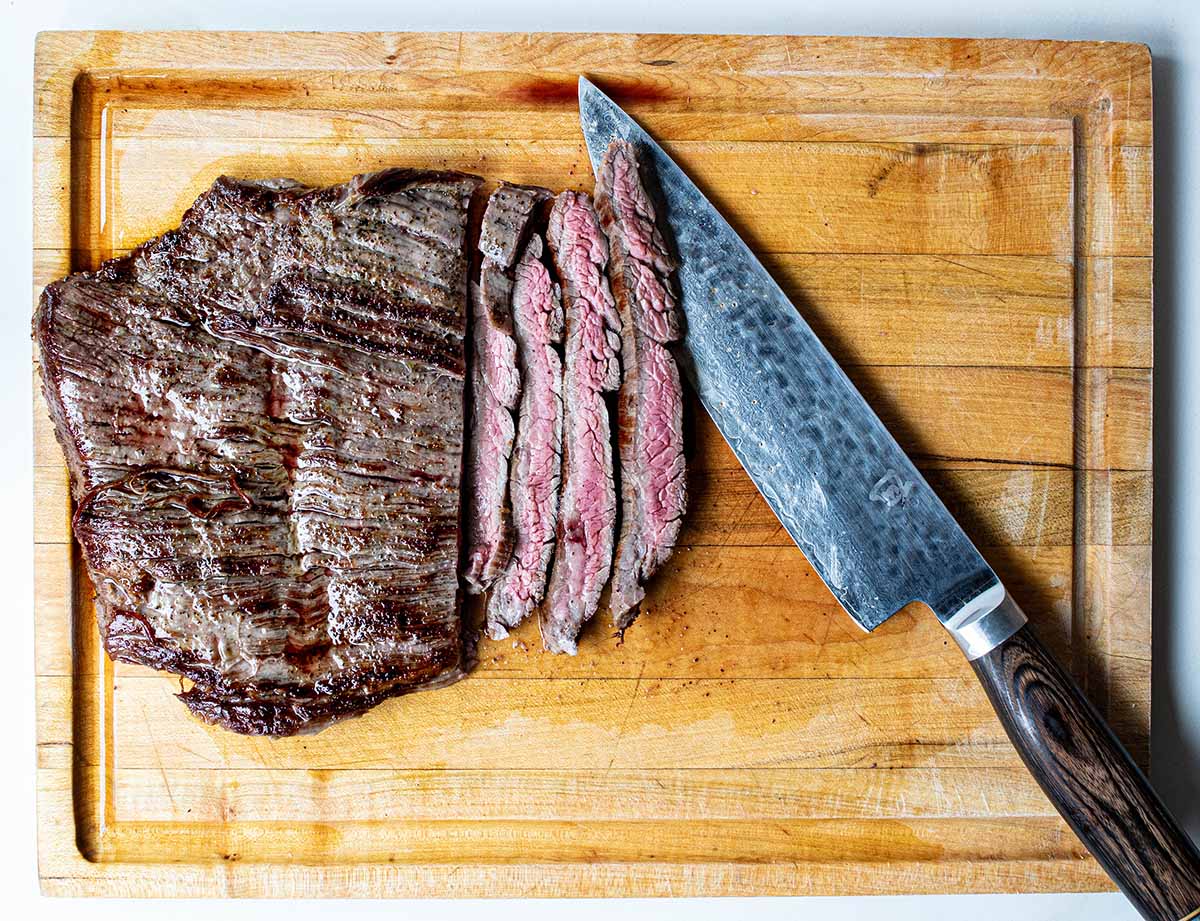
Flank steak is easily the best choice
My top choice is usually a flank steak for several reasons:
- Good flavor
- Lean
- Cooks fast
- Wide, flat shape for slicing
Flank steak has a really good flavor while also being incredibly lean. Since it's lean, the best way to cook it is quickly, over high heat. And that fits right into the convenience of this arugula steak salad.
The wide, flat shape makes the slices long, and thin, which works perfectly in a salad like this. Make sure to slice against the grain, and each bite will be deliciously tender.
Flank steaks are on the belly, toward the rear of the cow, just under the loin (a lean area). It's shaped wide and flat, and should be easy to find.

Skirt steak is similar, with more fat
Skirt steaks are also from the belly of the cow, but toward the front legs. This cut has more fat that's marbled throughout the steak.
With the fast cooking time, the marbled fat doesn't have time to fully break down, so it can be chewier. However, some people prefer the richer flavor from the fat and don't mind that chewiness.
This type of steak definitely needs to be cut across the grain to reduce any chewiness.
Skirt steaks are even thinner than flank steaks and can cook in just 2-3 minutes per side. They'll develop some nice char if you grill them really hot.
America's Test Kitchen wrote a really helpful article comparing flank and skirt steaks (with lots of pictures).

Top sirloin steak can be interesting
Sirloin steaks have less intense beef flavor and firmer texture.
Where flank and skirt steaks have a loose grain that falls apart when picked up (or chewed), sirloin holds its shape. That means you'll want to cut the steak into smaller pieces or ultra thin (almost shaved).
The steaks are still lean, so they turn out great when cooked quickly in a hot pan. However, they are thicker so they will probably take 5-6 minutes per side.
I still prefer the beefier flavor of a flank steak since the rest of the salad has strong flavors.
But this is a cheaper cut and also works great in more delicately flavored salads where you don't want to overpower the other flavors.
Serving size
You'll probably want 5-6 ounces of steak to make this salad a full meal. To put this in comparison, think about the size of a quarter-pound cheeseburger (4 oz) or an 8-ounce filet.
You can always cook extra and save any leftovers for a sandwich with horseradish sauce or some steak fajitas.

The trick to perfectly cooked steak for salad
The trick to perfectly cooking a thin steak like this is to have a really, really hot pan.
That way you can sear the outside and get some of those charred flavors before the inside overcooks.
The best pan will be a cast iron skillet because it will retain the heat even when you throw your cold (or room temperature) steak on it. A stainless steel skillet also works, just not as well.
I've used both and the cast iron does get a better char on the outside.
Temperature's effect on texture
Everyone likes their steak cooked a little differently, but I do recommend medium-rare for this salad.
The final temperature has a big impact on the texture and chewiness of the steak, especially for lean cuts (and even more for tight-grained cuts like sirloin).
As steak cooks, the muscle fibers tighten and lose moisture, making the meat firmer. At medium rare, all of the steak cuts I recommended will be tender and juicy.
Here's a comparison:
- Rare (125°F / 52°C): very soft, extremely juicy
- Medium-rare (135°F / 57°C): tender with slight bite (Recommended!)
- Medium (145°F / 63°C): Firmer, slightly chewy
- Medium-well (155°F / 68°C): Dense and chewy
- Well done (160°F+ / 71°C+): Tough and dry
What to do if you like your steak medium or medium-well
If you like steak medium or medium-well, get skirt steak or sirloin steak.
Skirt steak is fattier so it stays juicier when cooked longer. Sirloin has a slightly more forgiving texture, so it can still retain a good texture when cooked to medium (and is better than flank steak at medium-well).
Another trick is to cut the steak even thinner, which helps with a tougher texture. Sirloin is a great option for this, since you can essentially shave pieces off thanks to the tight muscle grain.
Sirloin steak needs to cool in order to be sliced really thin.
- Let it cool for 20 minutes and get somewhat-thin slices
- Cook it the day before and slice it cold for shaved slices

Arugula and other salad greens
This steak arugula salad is all about bold flavors. Arugula has a bold, peppery flavor that stands up to the rest of the salad components:
- Arugula: peppery, slightly bitter
- Steak: savory and beefy
- Goat cheese: rich and creamy
- Pomegranate dressing: sweet and tart
- Pomegranate seeds: add crunch
Arugula leaves are also sturdy, despite being so thin. They are strong enough to hold up to the heavy steak and thick dressing without totally collapsing into a soggy mess.

Get 2-3 servings from a container or arugula
A typical plastic container of arugula is 5 ounces (and there are some large 8-ounce options at the grocery store).
A quick online search says that you should use 5 ounces of arugula per person for a dinner-sized salad. I have no idea how that advice came to be, but it's way too much.
I suggest about 2 ounces per person for a dinner portion, or 1 ounce for a side salad.
Here are some images to put it in perspective so you can estimate for yourself.

This is the amount of arugula if the container was split into 2 servings (2.5 ounces each). That arugula is piled pretty high on the plate, which is hard to see.

The container of arugula split into 4 portions (1.25 ounces each). I placed it on a dinner plate on the left and salad plate on the right. It would make a very large side salad.
Other salad greens
In addition to arugula, you could add in radicchio or kale.
Radicchio is really fun with its bright pink and purple colors. It's very sturdy and often bitter, which can work in this salad really well.
Kale is another sturdy option. I'd choose lacinato (dinosaur) kale since the flat leaves work better in this salad.
Lastly, endive works in this salad, even with its super bitter flavor. The fattier skirt steak will balance out the bitter flavors the most.
Why pomegranate ties the salad together
Pomegranates are sweet and tart, which balances the beef and bitter greens extremely well.
No other fruit complements beef as well as pomegranates do, in my opinion. The fruit contains a lot of malic and citric acid, which cuts through the savory, fatty meat.
Meanwhile, the sweet flavors balance out bitterness in greens. This is why greens that are really bitter, like radicchio and endive, still work really well when added to this steak arugula salad.
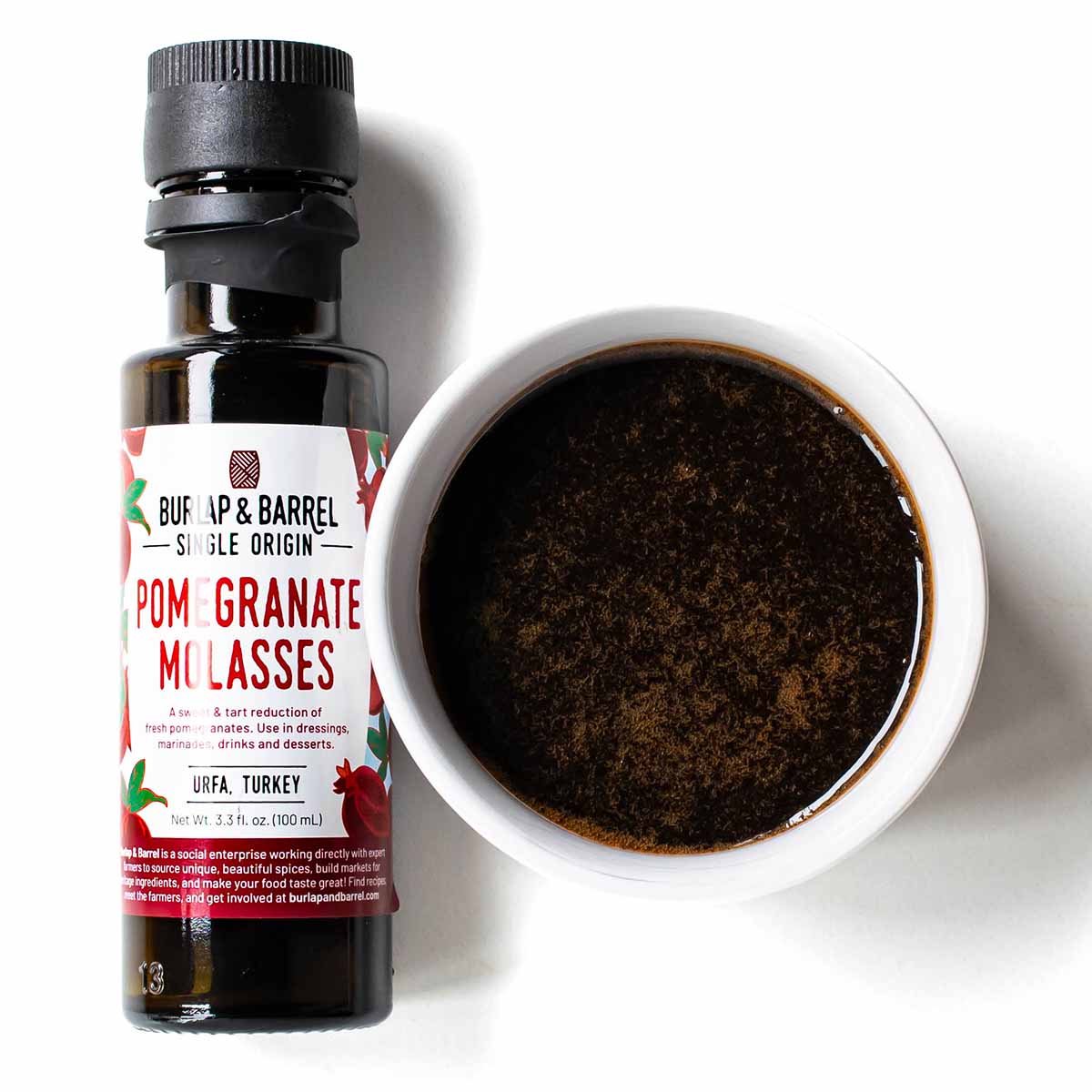
Only buy 100% pure pomegranate molasses for the dressing
Pomegranate molasses is just pomegranate juice that's concentrated until it's syrupy. Look at the ingredient list and buy the brand that only has one ingredient: pomegranate juice.
I buy mine from Burlap & Barrel. It's pricey but worth it for the flavor. Sadaf is another brand worth buying and you might have luck finding it at a local grocery store.
I've bought other brands that add citric acid and sugar and they always taste off. I don't recommend those.
If you're up for an easy project, you can make your own pomegranate molasses by simmering pomegranate juice on the stovetop for 60-90 minutes, depending on how much you start with. It even stores in the fridge for 6 months.
Recipe
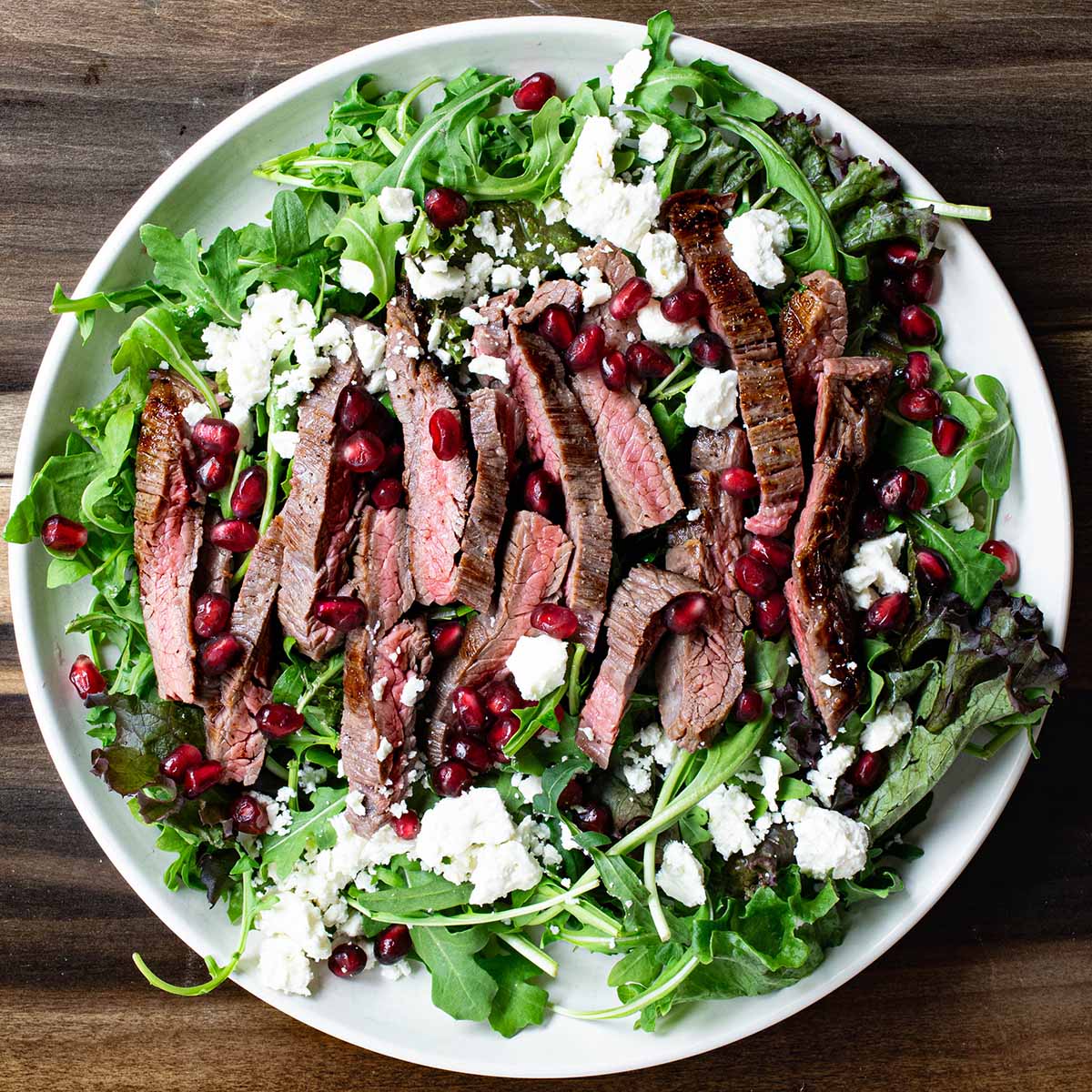
Ingredients
Salad
- ¾ lb steak flank, sirloin or hanger steak
- 1 Tbs oil
- sea salt
- pepper
- 4-5 ounces arugula one 5-oz plastic container
- ½ cup pomegranate seeds
- 3 ounces feta cheese or goat cheese
Dressing
- 3 tablespoon pomegranate molasses see note
- 2 tablespoon balsamic vinegar
- 1 tablespoon olive oil
- 1 teaspoon Dijon mustard
- Salt & pepper to taste
Instructions
PREP
- This comes together fast, so it's actually important to get everything out on your counter and ready:
- A cast iron skillet or heavy bottom pan, tongs, a cutting board to slice up the meat after it cooks, a mixing bowl for the dressing, a whisk, measuring cups & spoons, and all ingredients.
PREP & SEAR STEAK
- Heat a cast iron or heavy bottom pan on high heat. Rub steak with sea salt (or kosher salt) and pepper.
- Add oil to the hot pan, then add steak to the hot oil. Make sure it's hot so you can sear the outside before the inside overcooks. Sear steak for about 3 minutes per side (or more for a thick steak). When it's done, set aside on cutting board and let rest for a few minutes.
MAKE DRESSING WHILE STEAK RESTS
- Whisk the pomegranate molasses, balsamic vinegar, olive oil and mustard together in a mixing bowl (or shake together in a jar). Add salt and pepper to taste.
SLICE & SERVE
- Slice the steak. Place on a bed of arugula. Drizzle with dressing and top with pomegranate seeds and feta cheese.
Notes
- Flank steak cooks fast and stays tender, fairly lean
- Skirt steak is fattier and chewier, but more steak flavor
- Sirloin works if you slice it thin (due to tighter muscle fibers)
Nutrition
More salad recipes & resources
As always, I like to share other versions of similar recipes that you might not find with an online search. Here are a few that caught my eye:
- Flank steak and arugula salad with a corn salsa and romseco sauce, from Lillie Eats & Tells
- Arugula steak salad with capers and a lemon vinaigrette from Serious Food Crush
- Arugula steak salad with tomatoes, peppers, and basil balsamic dressing from A Twisted Plate
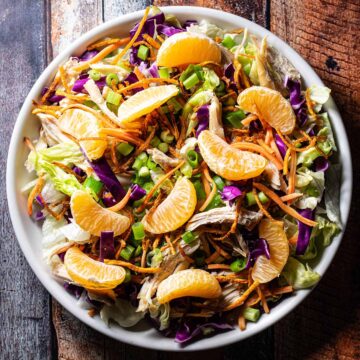
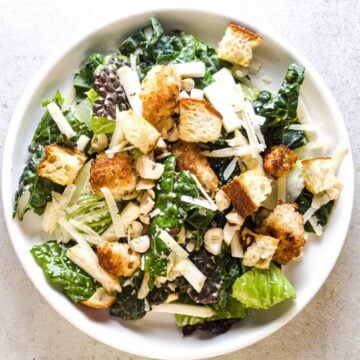
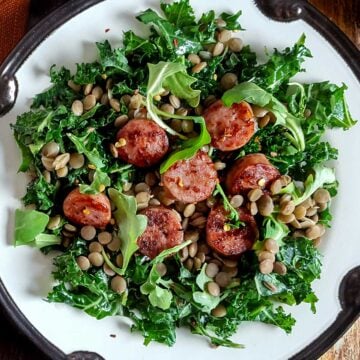
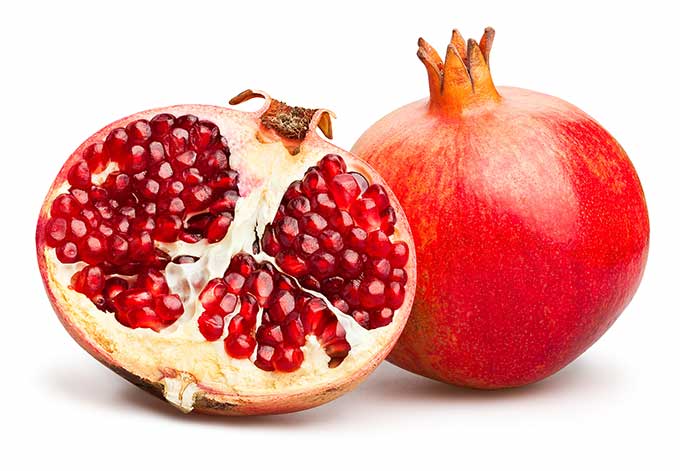
Browse over 30 pomegranate recipes that include everything from appetizers to desserts.
If you're wondering what else is currently in season, check out my calendars to see what produce is in season each month (and coming up soon).

Leave a Reply