This pumpkin pie starts with homemade puree from a fresh sugar pumpkin. I baked a dozen pumpkin pies with different pumpkin varieties and brought in some friends for a blind taste test.
Everyone preferred at least one of the fresh pumpkin pies over the version made with canned Libby's. However, there wasn't one winning pumpkin variety as everyone's favorites varied a lot.
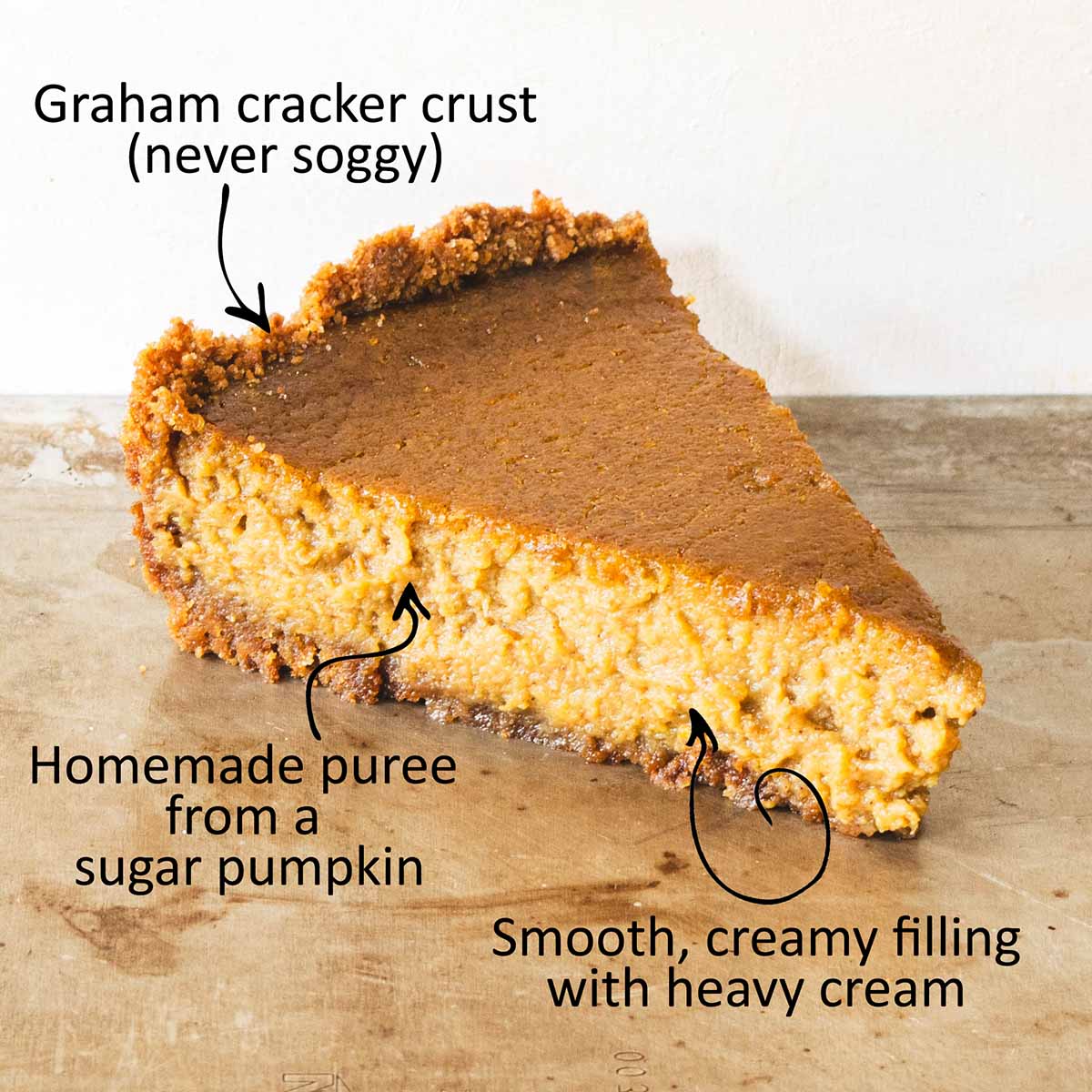
I'll help you figure out which pumpkin to buy, how to prepare it, and whether your homemade puree needs the water drained off before you mix it into the filling.
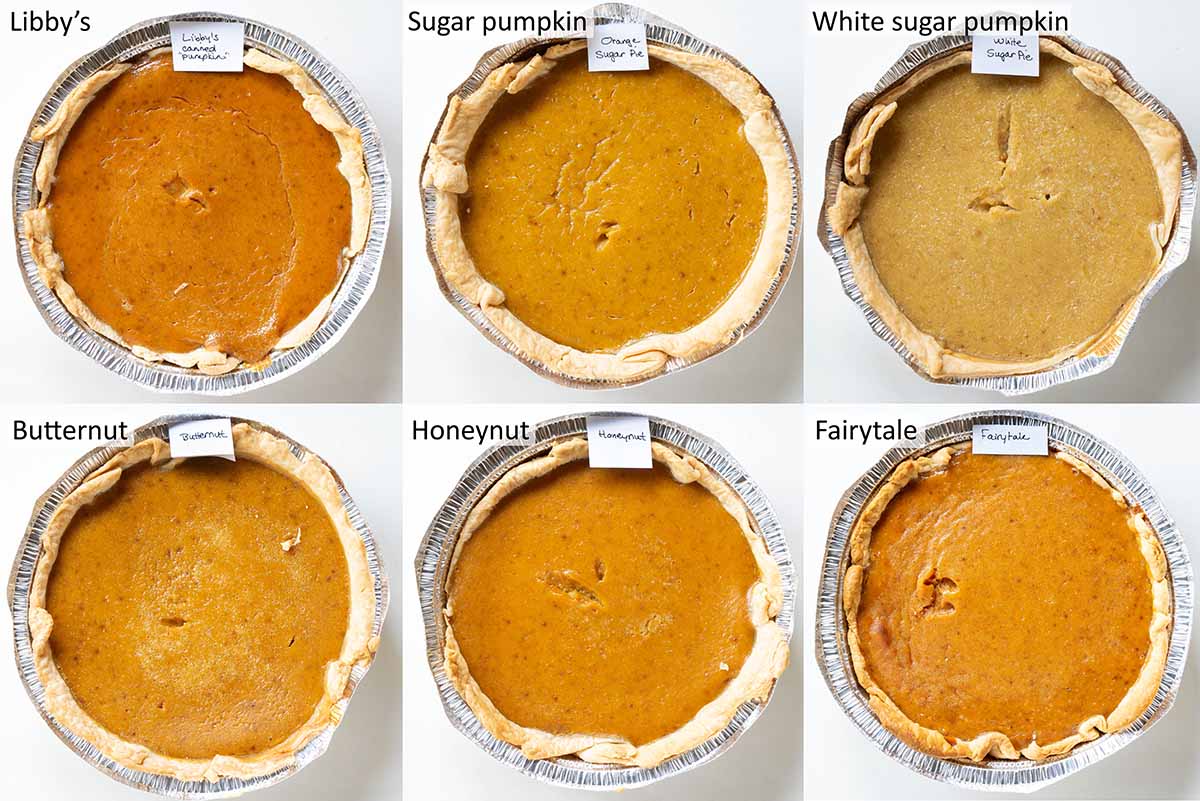
How does a fresh pumpkin pie compare to the canned version?
I wanted to see how they compared for myself, since opinions online are all over the place. To do this, I baked a dozen pumpkin pies on the same day, stored them in the fridge overnight, then had a bunch of people over for a blind taste test.
Some people's favorites were other people's least favorites (sometimes kids and adults were on opposite sides).
The one thing in common was that everyone liked one of the fresh pumpkin versions over the Libby's pie. But, Libby's was never ranked as a least favorite, making it a safe choice.
Level of effort
Using fresh pumpkin requires extra effort because you have to make the puree from scratch. While it takes a while to cook, the hands-on time is minimal.
You'll cut the pumpkin in half and scoop out the seeds, roast it, then scoop out the flesh and puree it. You'll also have extra dishes to clean.
You can do this several days in advance (or earlier if you freeze it) to cut down on the last-minute chaos if you're making this for Thanksgiving.
Flavor
The pies made with fresh pumpkin all tasted slightly more squash-forward. No one really noticed a difference in sweetness between the pies (including the Libby's), which doesn't surprise me.
The natural sugar content from one type of pumpkin (or winter squash) to the next has too small of a variance to matter when you're adding a full cup of sugar to the pie filling.
I also want to point out that nearly every taste tester said they probably wouldn't know that a pie made with fresh pumpkins was different than one with Libby's if they weren't doing a direct taste comparison.
So make your pie with fresh pumpkins because you want to, not because everyone will think you've discovered a chef-level secret to an amazing pie.
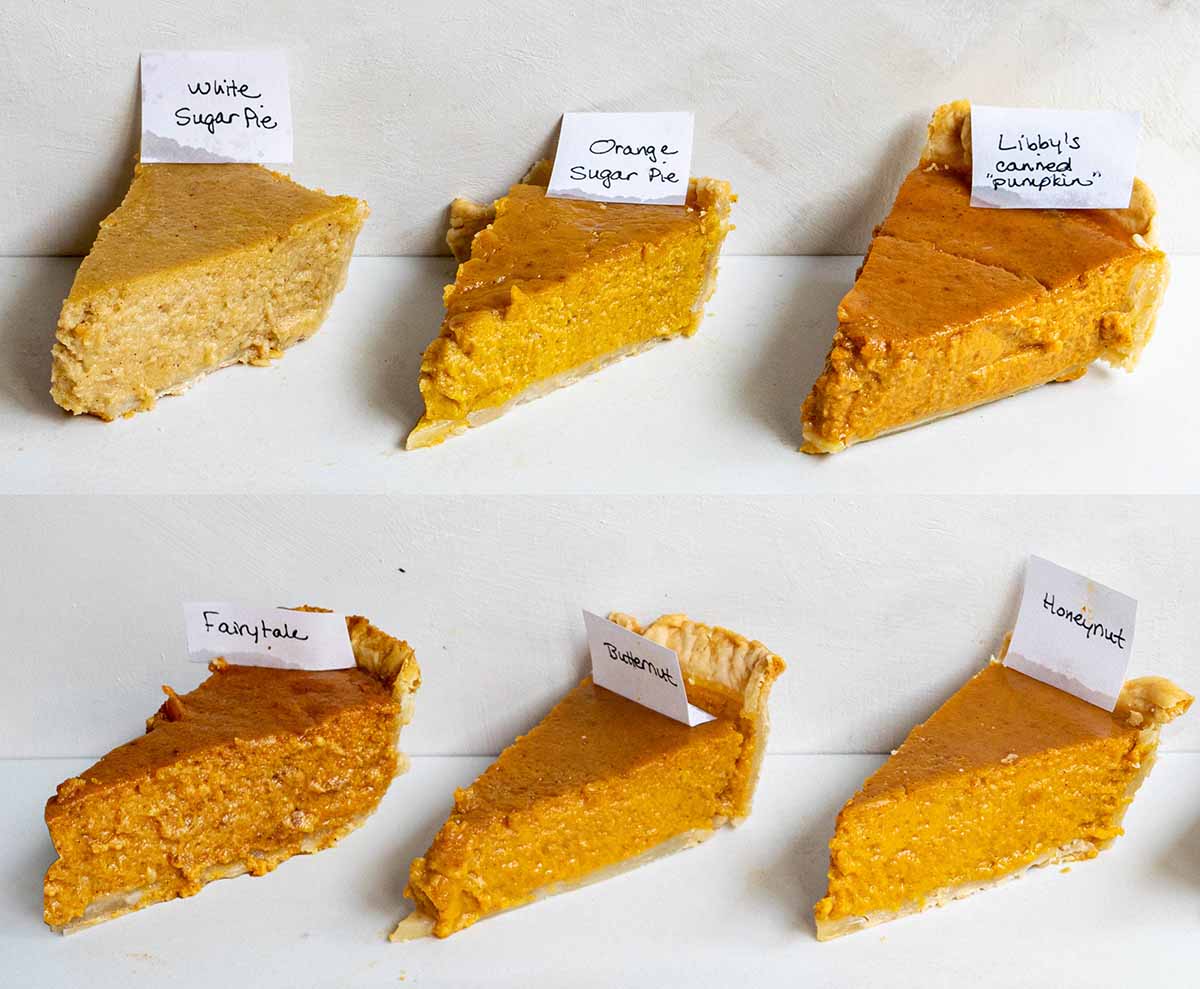
Texture
A pumpkin pie made with canned pumpkin is going to have a silky texture. That's because it's processed to be that way. The puree is squeezed, ground, and strained through industrial machines that can do a better job than our home food processors can.
That said, pumpkin pies made with fresh pumpkins still have a very smooth filling as long as you use the right pumpkins. But they probably won't reach the status of 'silky.'
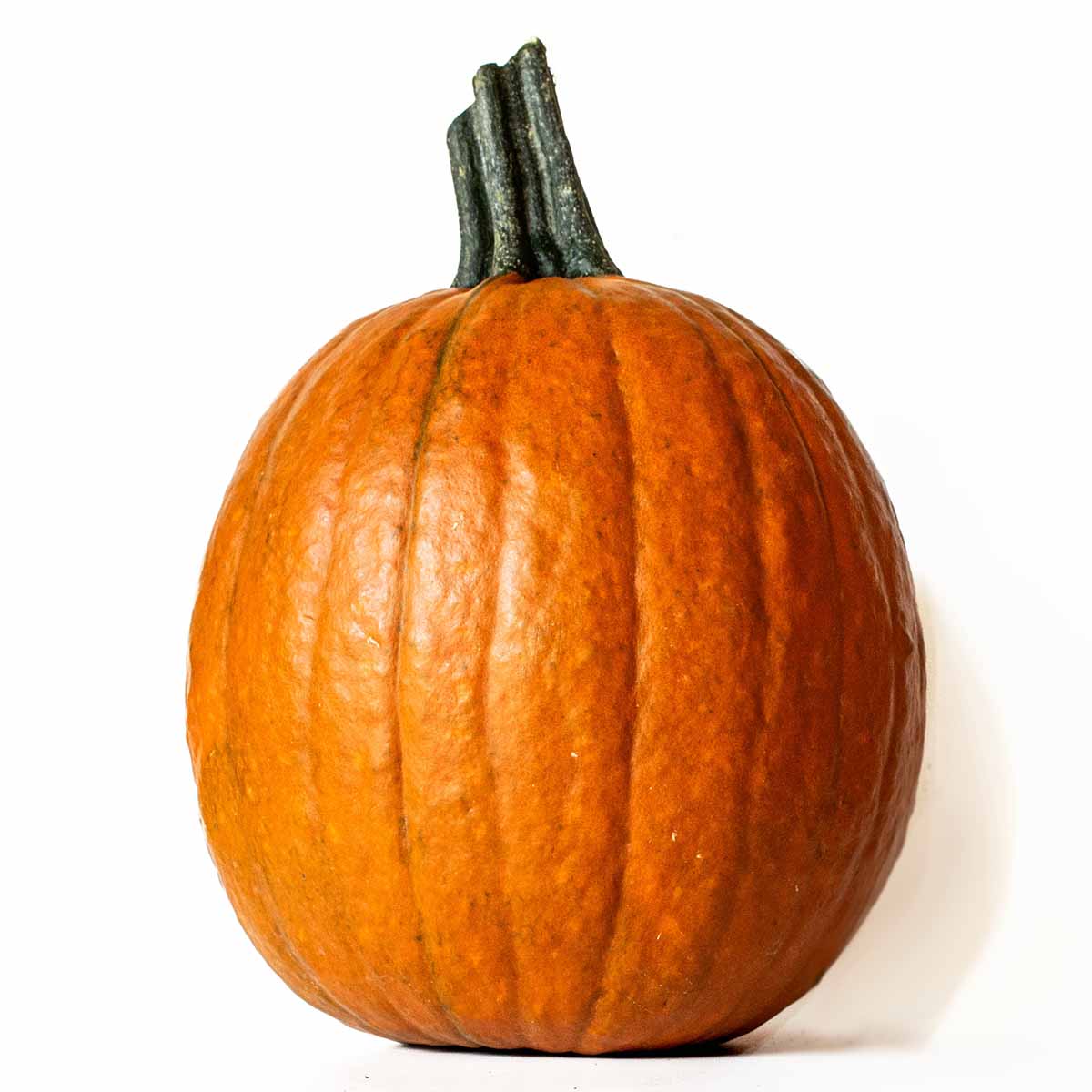
Best pumpkins to use for pie
To make a good fresh pumpkin pie, you need to start with the right type of pumpkin (or winter squash). You want one that has smooth flesh that isn't too watery.
Sugar pie pumpkins are my go-to
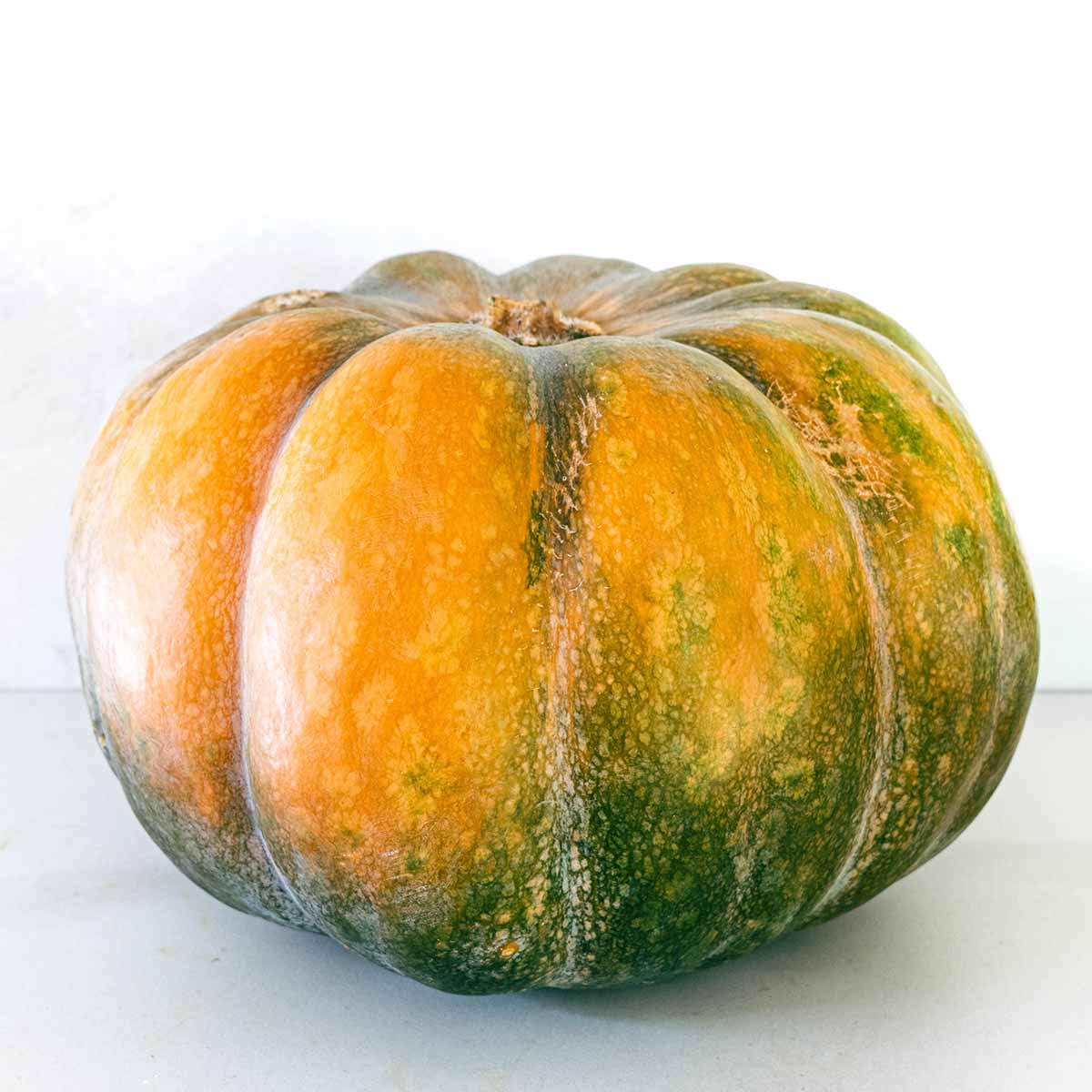
Sugar pie pumpkins, sometimes labeled as pie pumpkins or sugar pumpkins, are the most popular choice for a good reason. They are widely available and they have a good pumpkin flavor with flesh that turns smooth and creamy.
Most of my batches using orange sugar pie pumpkins have only a little extra water that I just pour off after pureeing it. I haven't had to strain it overnight or squeeze it through a cheesecloth yet.
A single sugar pie pumpkin is enough for a pie. I had several sugar pumpkins weighing 3 to 3.5 pounds that all yielded over a pound of puree (you need 15 ounces per pie, which is just under 1 pound).
You can also make a white pumpkin pie using white sugar pumpkins. When I make this type of pie, I adjust some of the seasonings to keep the filling as pale as possible.
Other winter squash that work for pumpkin pie
I used sugar pie pumpkins for this recipe, but you can swap in other pumpkins or winter squash. Here are the other varieties that taste testers liked the most:
- Fairytale pumpkins: found at my large grocery chain in the Midwest. They are larger and my 9-pound pumpkin made about 3.5 pounds of puree. Tasters loved the texture and flavor.
- Autumn Frost: I've only found these at farmers markets. Half the taste testers loved it, half were not impressed. It was a favorite for flavor, but the texture was slightly drier. The puree didn't need any draining.
- Butternut: Another favorite among most tasters for both texture and flavor. A medium butternut yields about 1.5 pounds of flesh that is very smooth and not watery.
Avoid jack-o-lantern and other carving pumpkins
Carving pumpkins are grown for size, thin walls, and general ease for carving. They are edible, but the flesh will be bland, watery, and stringy. Even if you puree the flesh, it won't have a smooth texture.
Roast the pumpkin and check the puree consistency
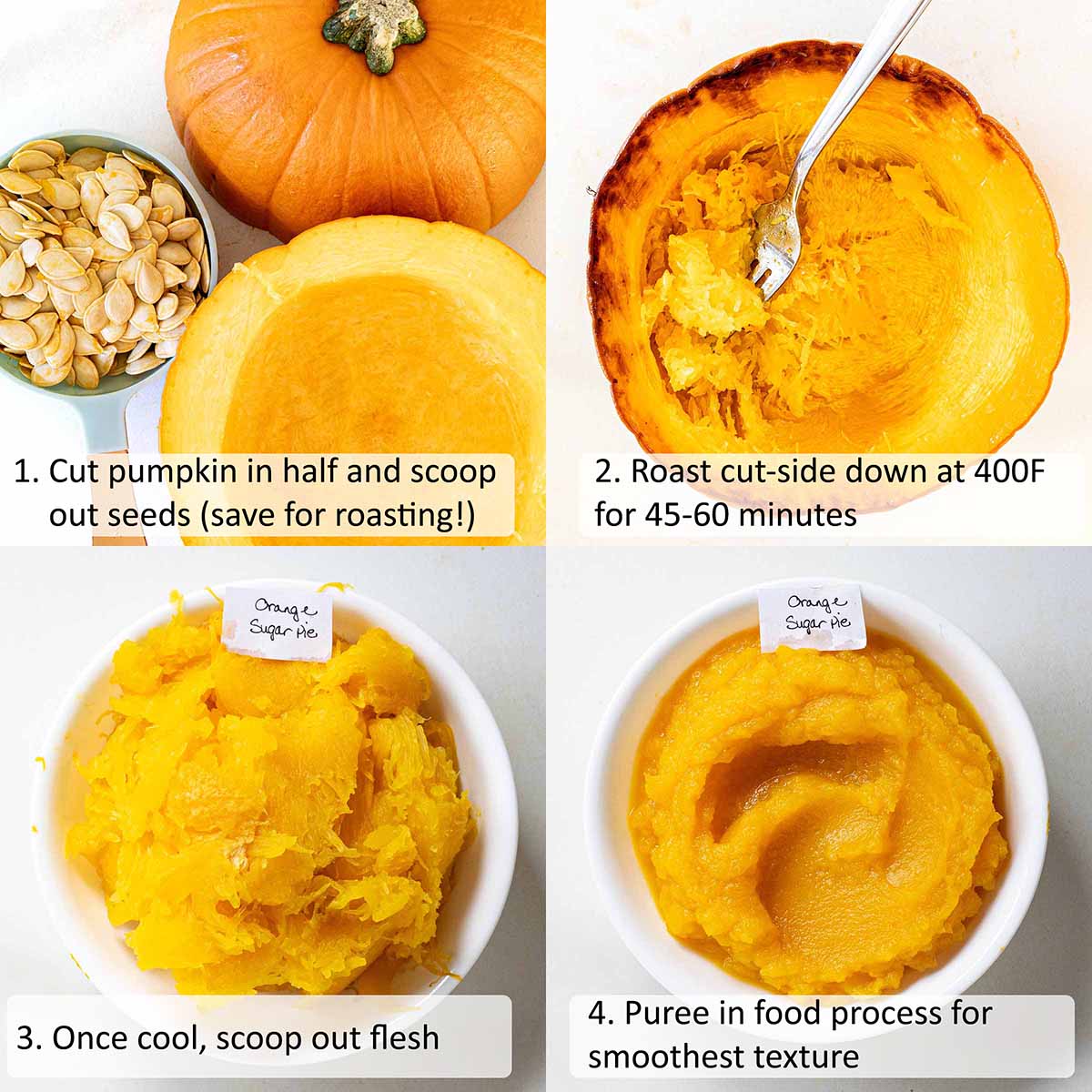
Once you've chosen a good baking pumpkin, you'll need to roast it to make the puree. The process is really simple:
- Cut the pumpkin in half and scoop out the seeds.
- Roast cut-sides down on a parchment (or foil) lined baking sheet at 400°F for 45-60 minutes until flesh is very soft. It shouldn't have any resistance like you might get with a starchy, slightly underbaked potato.
- Scoop out flesh once it's cool enough to handle.
- Puree in a food processor for the smoothest texture.
If you want a much more detailed process, check out my article and recipe for homemade fresh pumpkin puree.
The trickier part is knowing if you need to drain off excess liquid or not.
Does your pumpkin puree need draining?
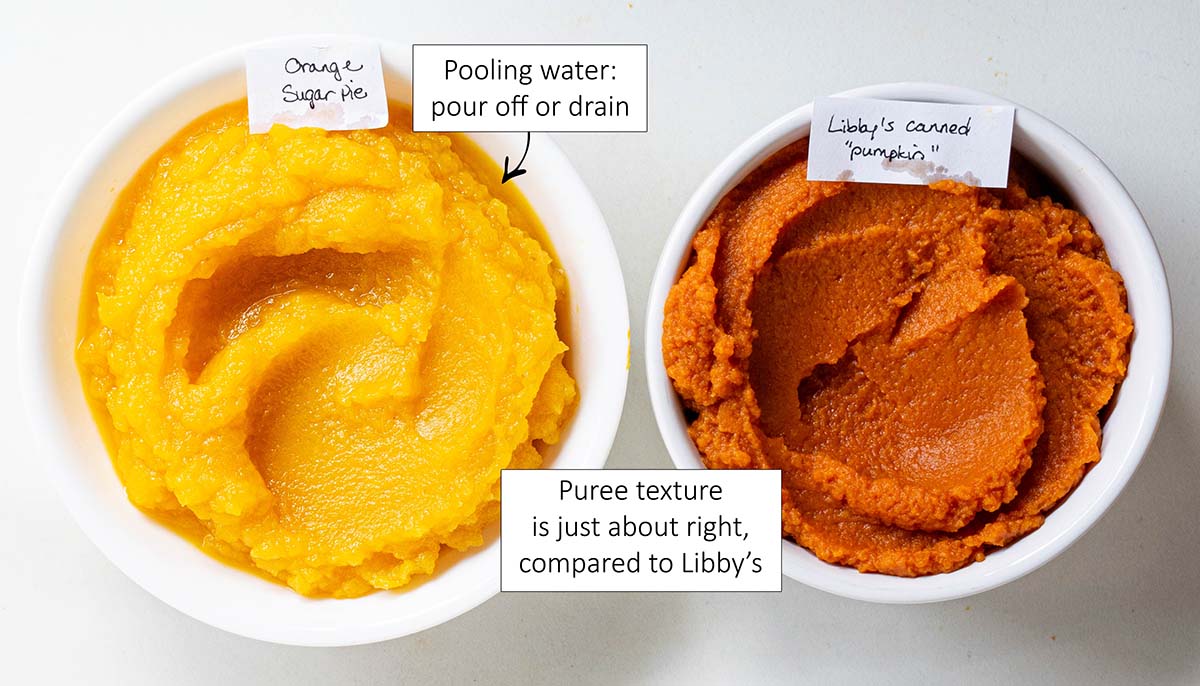
When working with fresh pumpkins, the biggest variable will be water content. Even if you only use sugar pie pumpkins, one can be more watery than the next one, just like any other type of produce you buy.
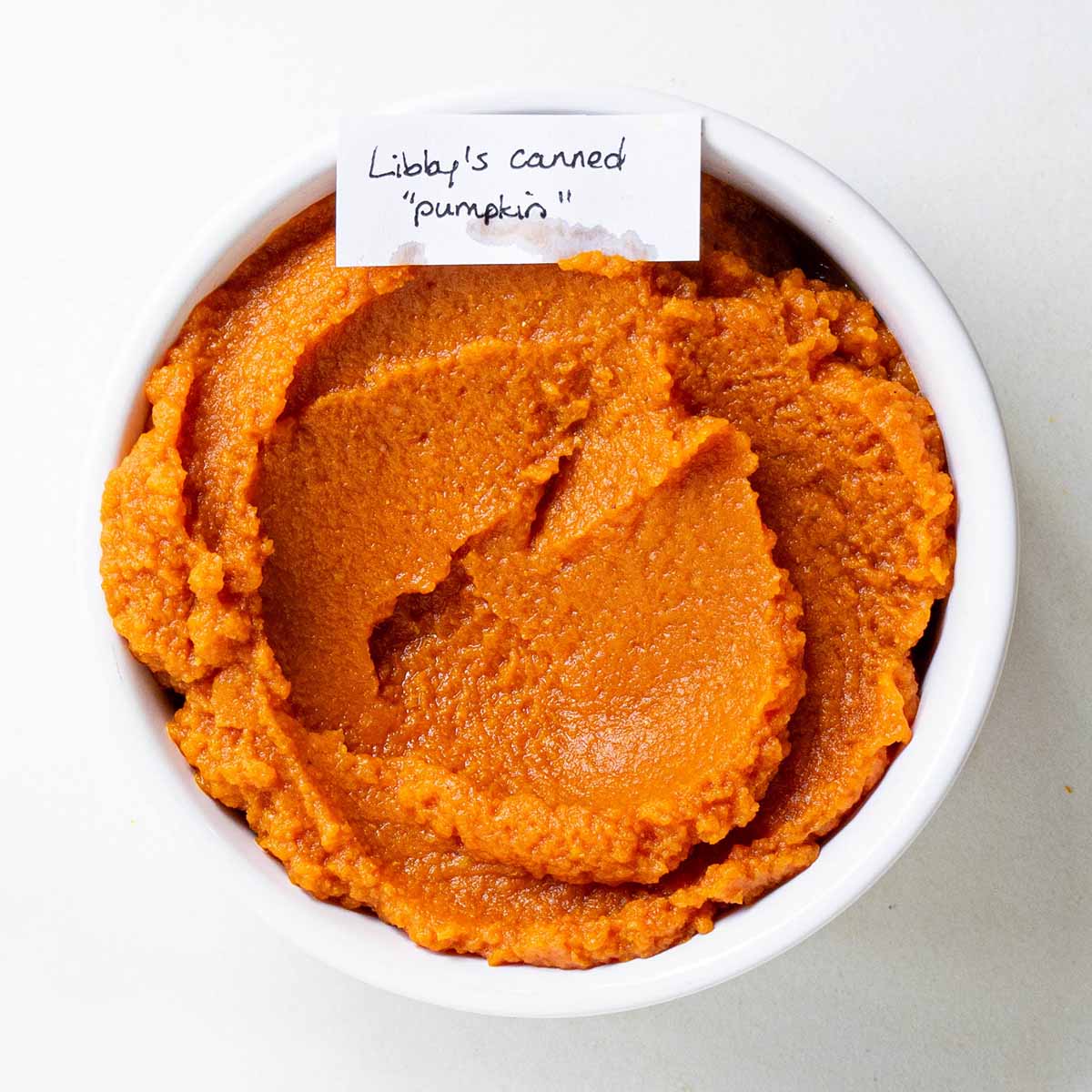
Libby's canned pumpkin consistency is loose and kind of watery, but without any water pooling. It's a cross between applesauce and tomato paste for texture.
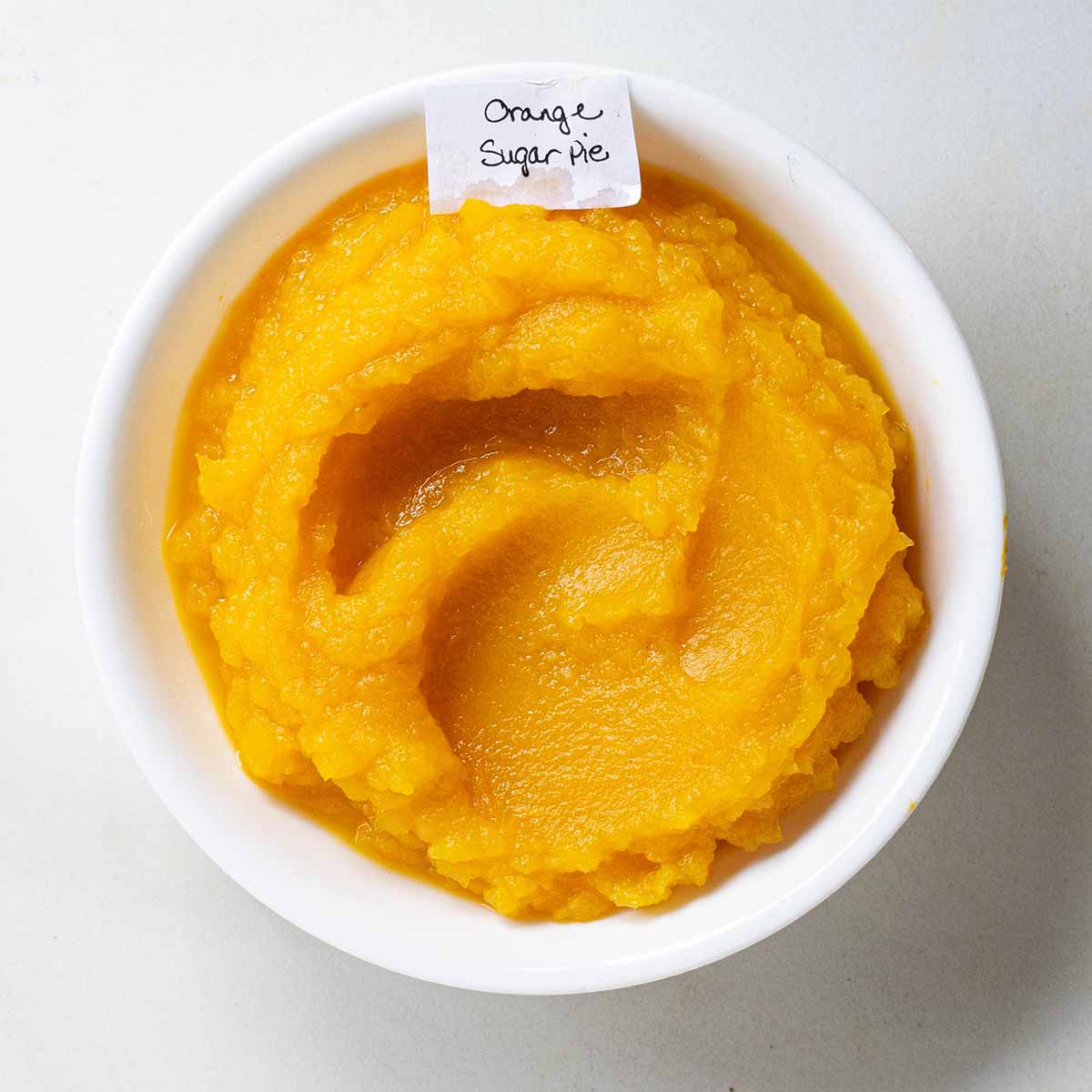
This sugar pie pumpkin puree has a little pooling water, which you can see in the center and along the edges. It can be poured off or drained over a sieve or cheesecloth for 30 minutes.
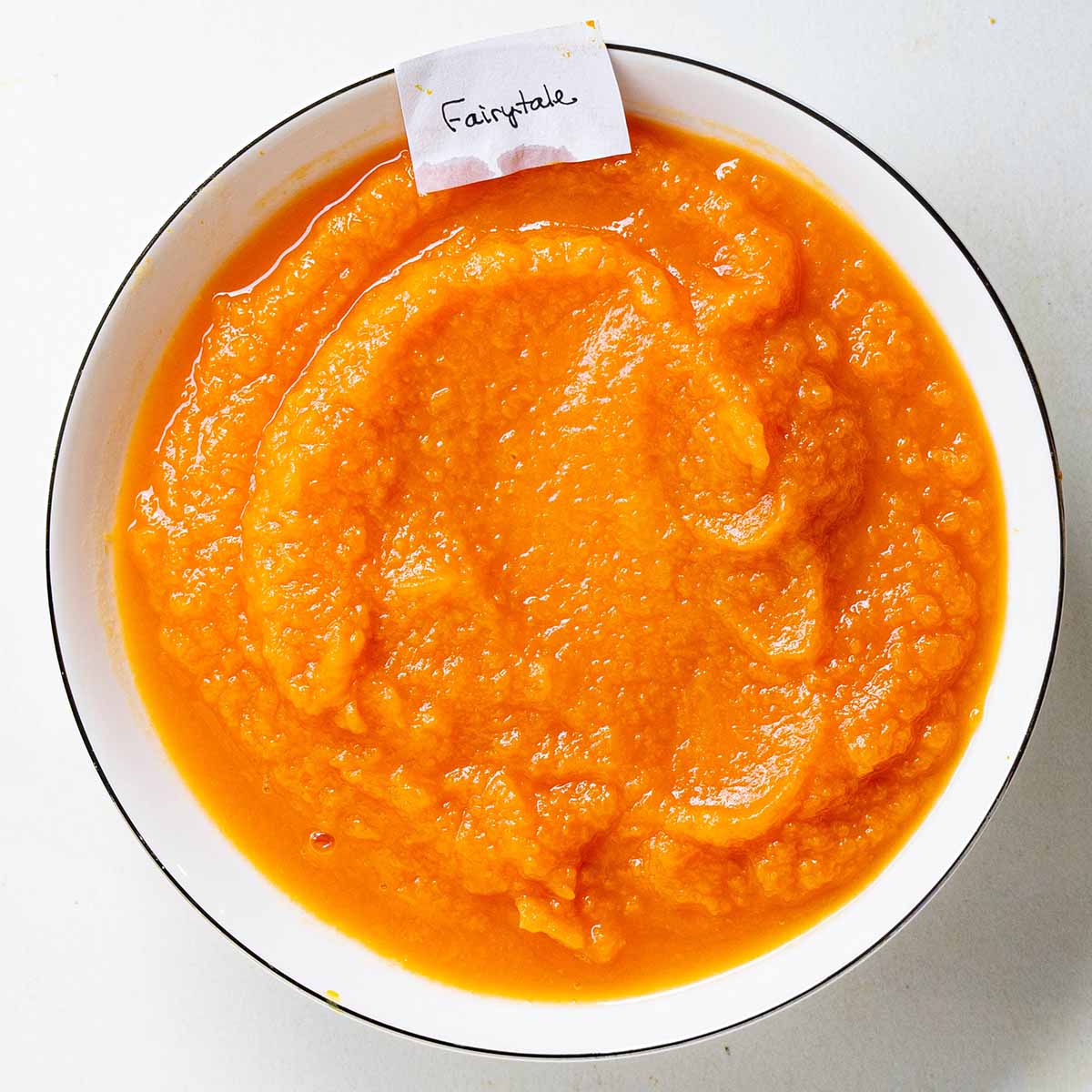
This fairytale pumpkin puree is too watery and needs to be drained overnight in the fridge, squeezed through a cheesecloth, or even cooked down on the stovetop. If your pumpkin puree looks like this, you'll want to drain it.
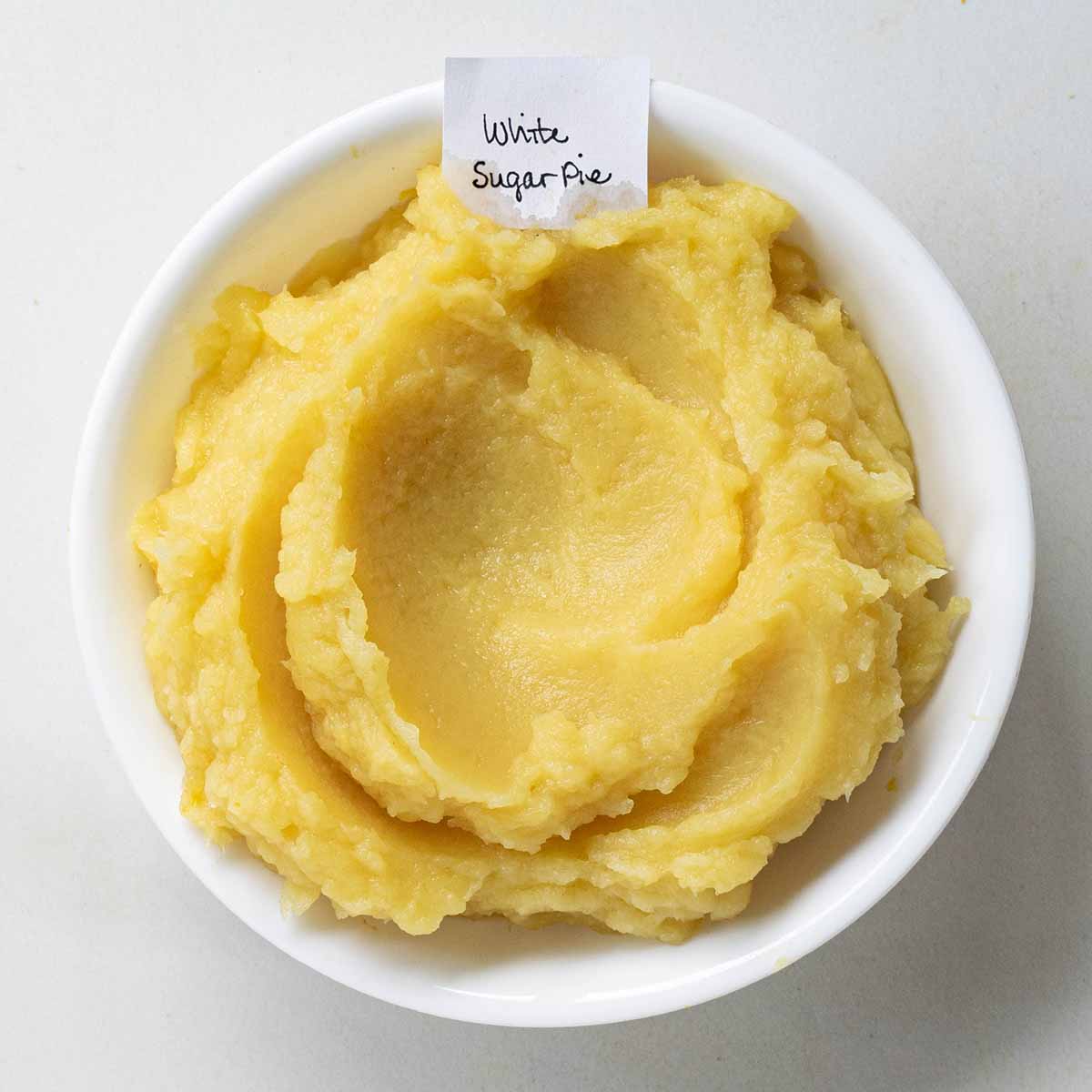
White sugar pie pumpkins tend to be denser and usually don't need any water drained off. I used this slightly thicker consistency as-is in my white pumpkin pie recipe and it turned out great.
Still unsure?
You could always open a can of Libby's and compare the consistency. Then bag and freeze the canned puree for another use, or make a pumpkin bread or soup with it so it doesn't go to waste.
How to make the pumpkin pie with fresh pumpkin
As long as you've gotten your homemade pumpkin puree to the right consistency, the process and ingredients are the same as a regular pumpkin pie.
In fact, you can swap it in for any pumpkin pie recipe, although I'm hoping you try mine!
The recipe I've made is pretty classic. I use traditional pumpkin pie spices, brown sugar, and heavy cream.
But I did replace the typical pie crust with a graham cracker crust. Not just for flavor, but because it is also easier to work with and holds up better than pastry pie crusts.
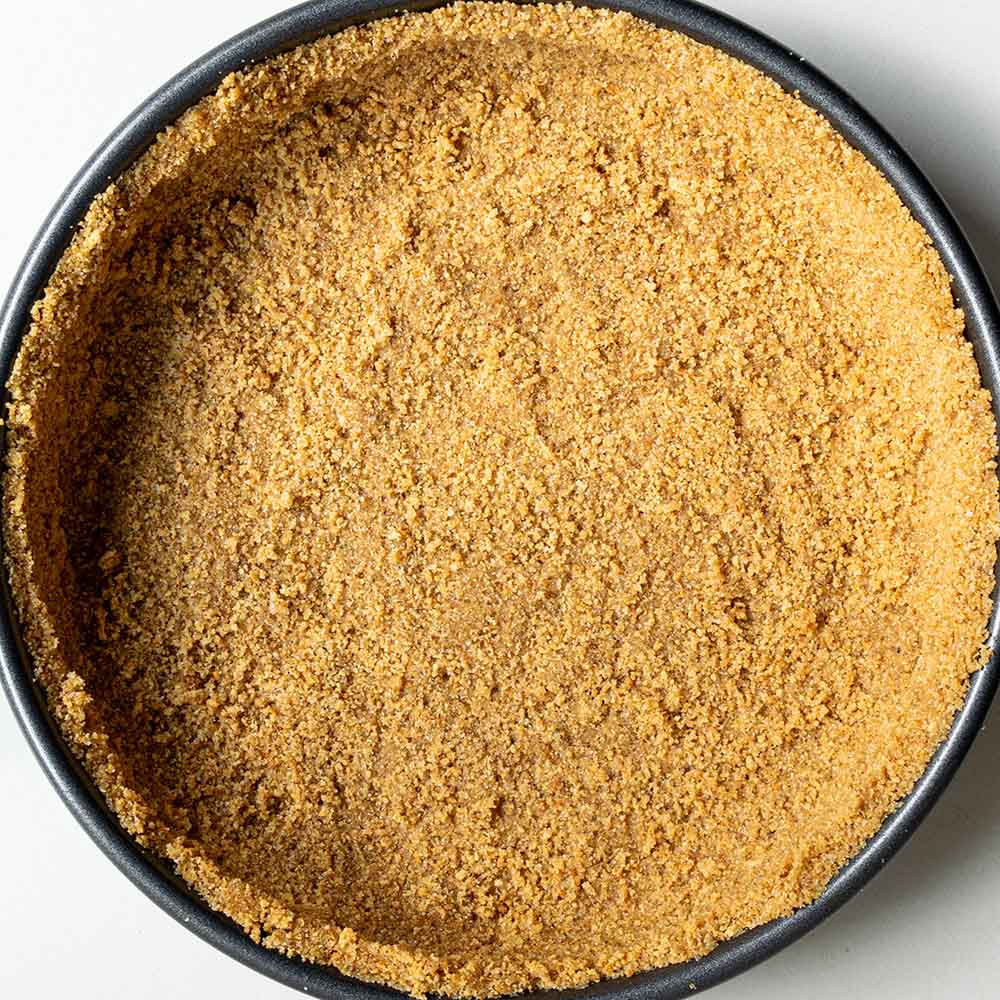
Make and prebake the graham cracker crust
You'll make the graham cracker crust and par-bake it before adding the fresh pumpkin pie filling. To make it, you just mix graham cracker crumbs with sugar and melted butter. Then press it into the pan.
You can use plain or cinnamon graham crackers. I've used both when testing this recipe and it's hard to pick a favorite.
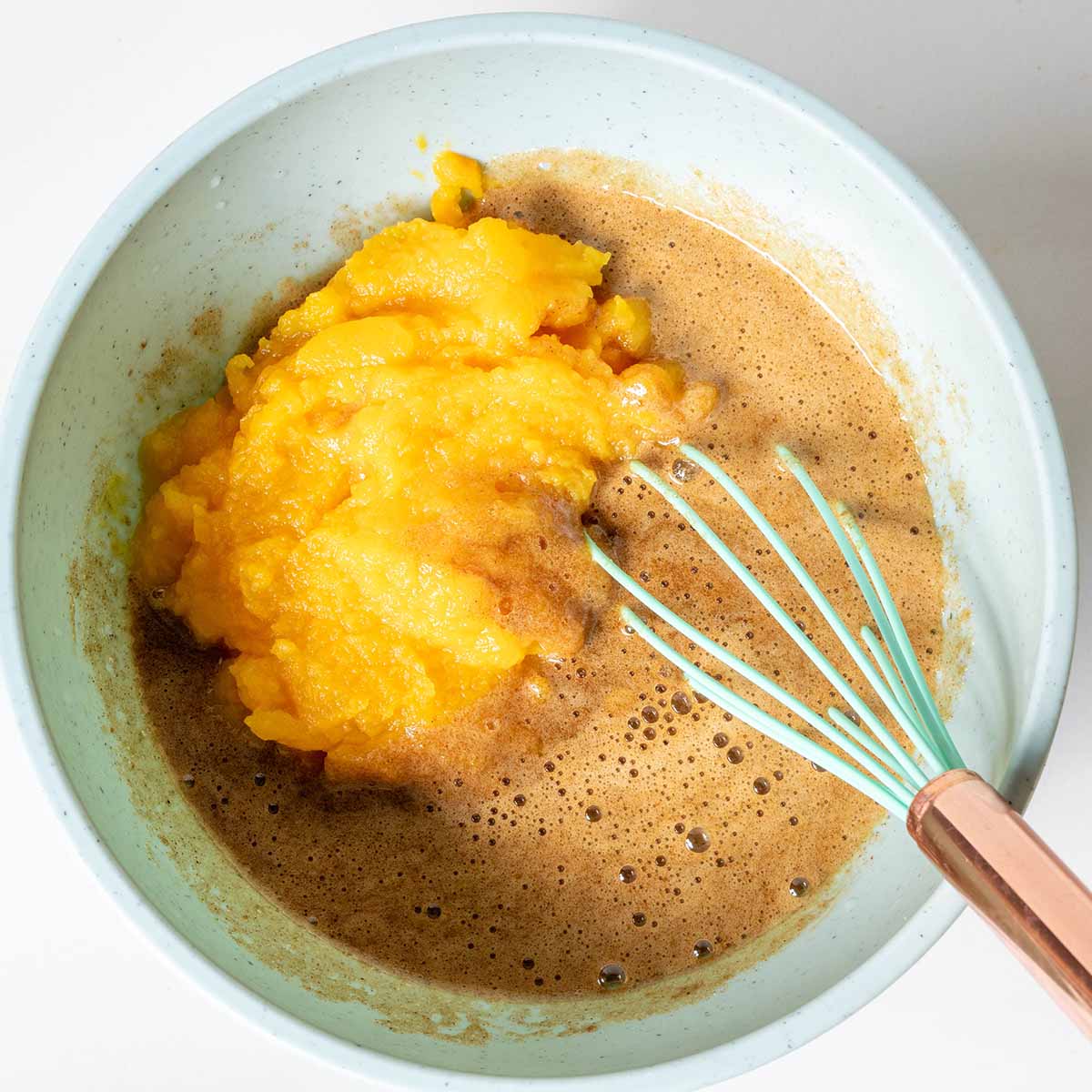
Whisk together the pumpkin pie filling
All of the ingredients are whisked together in a single bowl. When adding the fresh pumpkin puree, I like to measure it by weight so I get exactly 15 ounces.
The filling will feel like a very runny pudding. It will have a little viscosity, but will still be very pourable.
If the mixture feels grainy or you just want to ensure a super smooth pie, run the filling through a fine-mesh sieve. If you do this, push all of the filling through, which will break up any graininess from the pumpkin puree.
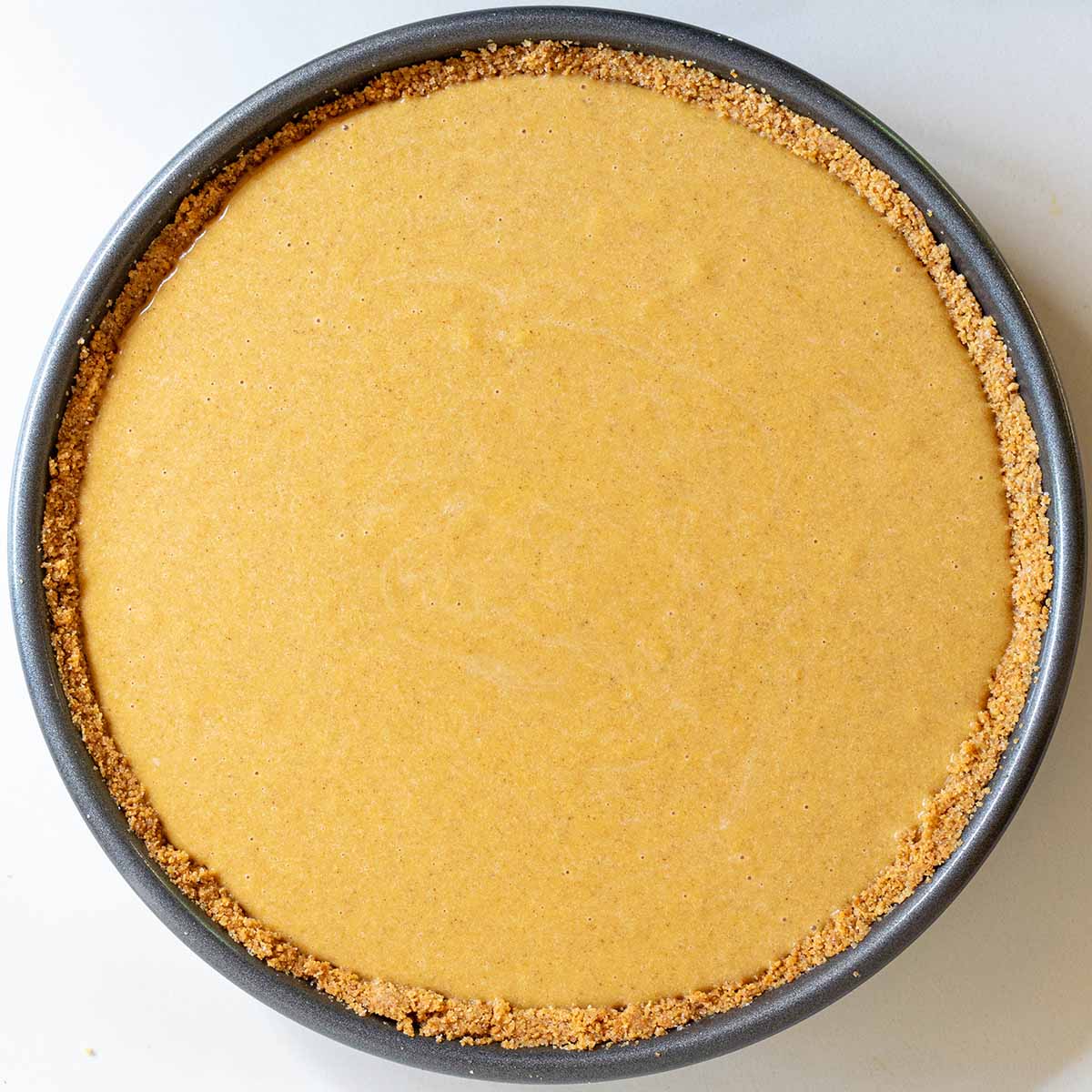
Bake at 350°F for 45-60 minutes
This is where making a pumpkin pie with fresh pumpkin can get tricky. The baking time will vary based on the moisture level of the puree you made. If you have a thick puree, it will be done sooner than one that is watery.
It's also worth noting that some pumpkin pie recipes start the pie in a hotter oven, reducing the temperature partway through baking. This technique is meant for pumpkin pies with a pastry crust so the crust can finish baking by the time the filling sets.
That's not necessary for a graham cracker crust. If you do want to swap in a standard pie crust, bake the pie for 15 minutes at 425°F, then lower the oven to 350°F and continue to bake for another 25-40 minutes, until the filling is set.
How to tell when it's done baking
I find the most reliable way to tell when the pie is ready is with a thermometer. This is especially true when baking with fresh pumpkin where the water content varies.
The pumpkin pie is done when the temperature in the center is between 165°F and 175°F.
When I let some pies get to 180°F and above, they all cracked in the centers. But I can confirm 175°F seems pretty reliable for a perfectly set pie, regardless of the type of pumpkin used.
The downside is that you'll have a hole (or holes) in the middle of your pie. While it will be properly set, it won't be as picture perfect.
That brings me to the other option: visual cues.
- The edges will be fully set and look puffy. There might be tiny cracks on the edges that will mostly disappear when the puffiness deflates as it cools.
- The center 4 inches should be jiggly like jello (not runny and sloshing around). King Arthur Baking has a 5-second video of what a jiggly center should look like.
If you tend to be good at the visual cues, you can stick with that. I still use a thermometer because I don't want to ruin the pie when I went through the effort to make it with fresh pumpkin!
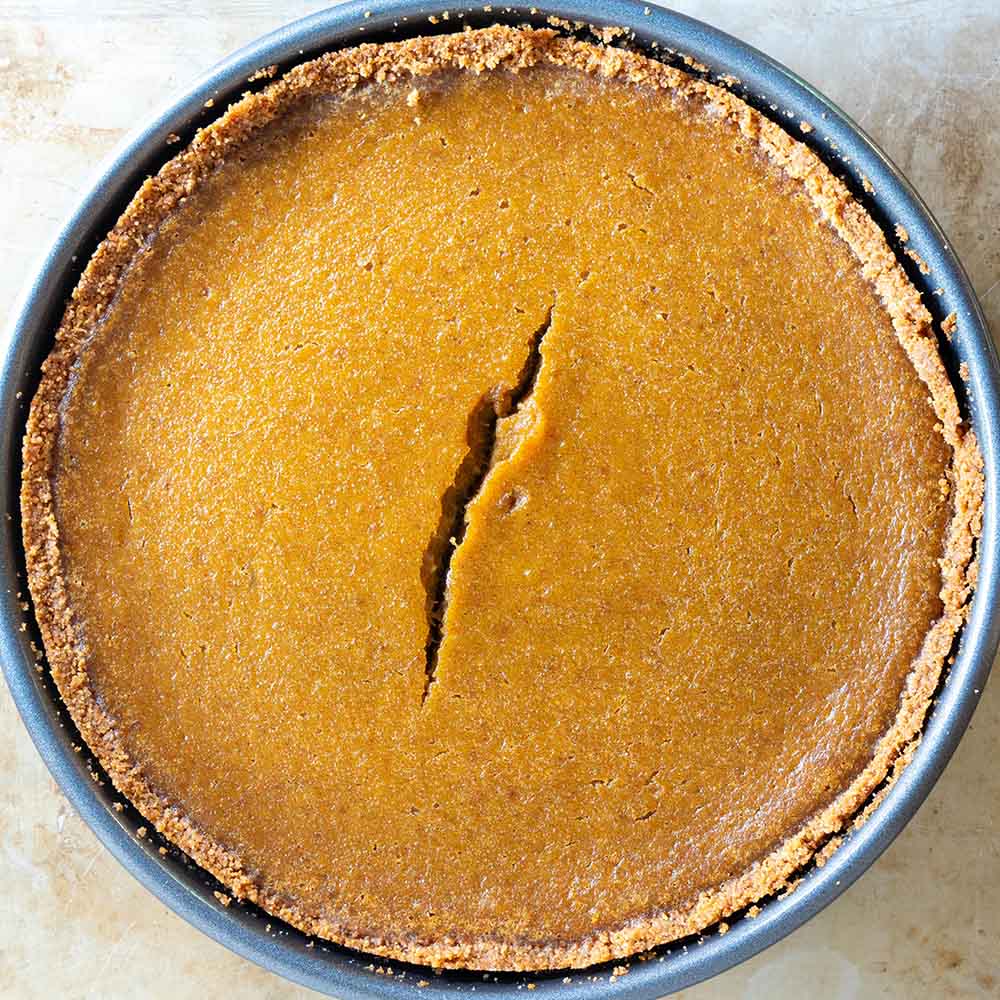
How to keep the pie from cracking
This has always been tough for me to get right, probably because I only bake custard pies a couple times a year. But after a lot of tests across all types of pumpkin pies, I'm getting closer to consistent results.
So why does the pie crack?
It cracks from overbaking. King Arthur's article explains it well, "Those cracks you see in your pie are the result of overcooked eggs, eggs that have tightened up so much, in an uneven way, that they've created fissures in the filling."
Cracks can form even after you've pulled the perfectly un-cracked pie out of the oven, since the eggs continue to cook from residual heat.
To keep the pie from cracking, you want to avoid overbaking it. It's one of those things that seems simple but is much harder in practice. At least for me! Use a thermometer or the visual cues mentioned in the baking instructions, and remember the pie continues to set after you remove it from the oven.
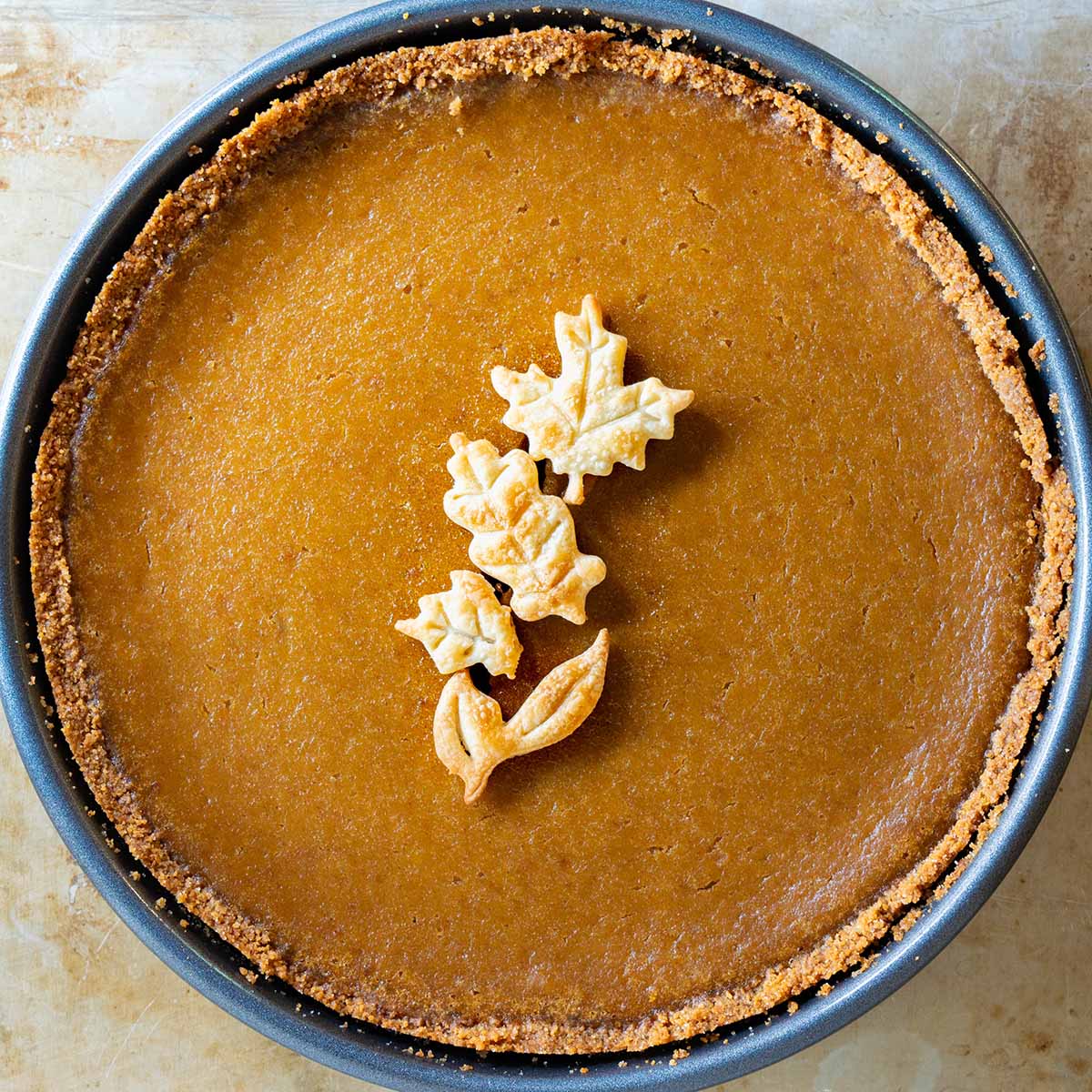
How to hide cracks
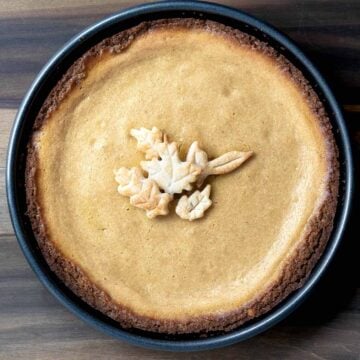
If the pie cracks, just cover the center with some whipped cream or decorative pie crust cutouts.
Try some cinnamon whipped cream, like this recipe from Two Sisters, or make some leaf cutouts with pie dough like I did for my pie.
Bake the dough separately on a baking sheet after you take the pie out of the oven. Don't bake them on top of the pie while it is cooking.
I use the refrigerated Pillsbury pie dough that rolls out on the counter to make the cutout leaves. I used some inexpensive fall leaf cookie cutters from Amazon. Below is an affiliate link if you're interested in the same product - I do get a small commission if you buy something, but at no cost to you.

- Perfect Combination: Including 4 pcs leaf shaped cookie cutters, maple, oak, double leaf and...
- Safe Material: This leaf fondant cutter is made of food grade plastic, well packaged in a box
Bake the pie-dough cutouts for a lot less than the instructions say on the box. I've burned them before, even when I reduced the cooking time. Keep an eye on them and start checking after 5 minutes.
Make-ahead and storage instructions
Pumpkin pies need to cool to fully set and hold up great overnight in the fridge. This makes them a perfect make-ahead dessert, especially for the busy Thanksgiving holiday.
Homemade pumpkin pies also need to be stored in the fridge within 2 hours of being removed from the oven for safe storage. Southern Living notes that some store-bought pumpkin pies are made to be shelf stable, but your homemade ones are not.
How well does the pie hold up in the fridge overnight?
This pumpkin pie stores especially well in the fridge, mostly thanks to the graham cracker crust.
No matter how well you bake a pastry crust, it quickly loses that perfection with storage. But that's not the case with a graham cracker crust.
I left a piece in the fridge for several days, just to see how the crust held up and it was still in near-perfect condition. It was sturdy and not at all soggy.
Make the crust ahead of time
This crust can be made ahead of time. Go through the par-baking step, then store it on the counter (or fridge) for up to 3 days, wrapped in plastic so it doesn't get stale.
You can also freeze the crust after you par-bake it. Wrap it tightly and store in the freezer in the pan.
How to freeze the pie
This pie freezes nicely too, with the crust also holding up extremely well (and a lot better than pastry crusts). I like to freeze the pie already sliced up so I can grab the number of servings I want.
- Cut into slices
- Place in the freezer, unwrapped, until they harden (a few hours or even overnight)
- Remove from freezer, tightly wrap in plastic and tin foil, or vacuum seal (when they are frozen hard, they won't get squished).
Recipe
Equipment
- 9" deep pie pan It doesn't have to be extra deep, just not shallow. I use a metal pan, so baking times are tuned to that. Glass and ceramic will work but may cook at different rates.
Ingredients
Pumpkin pie filling
- 1 medium sugar pie pumpkin a 3.5lb pumpkin yields more than enough puree for a single pie. You will need 15 ounces per pie.
- 3 large eggs
- ¾ cup heavy whipping cream
- ½ cup white sugar
- ½ cup brown sugar
Spices
- 1 teaspoon vanilla extract
- 2 teaspoon cinnamon
- ½ teaspoon ground ginger
- ¼ teaspoon nutmeg
- ¼ teaspoon cloves
- ¼ teaspoon salt
Graham cracker crust
- 1 ½ cups graham cracker crumbs about 12 full sheets
- ⅓ cup granulated sugar
- 6 tablespoon butter, melted
Instructions
Make the fresh pumpkin puree
- Cut your sugar pie pumpkin in half and scoop out seeds. Place cut sides down on a parchment-lined baking tray and roast at 400℉ for about 45 minutes, until the flesh is extremely tender. It shouldn't give any resistance, like you might get in a starchy, slightly under-baked potato.Once cool enough to handle, scoop out flesh and puree in a food processor. Drain off any pooling water. Measure out 15 ounces for the pie (about 1¾ cups).
Make the graham cracker crust
- Preheat the oven to 350℉. Mix all of the graham cracker crust ingredients together in a bowl, then press it into your pie pan. Bake this for 8-10 minutes then remove it to let it cool completely.
Make the pumpkin pie filling
- Mix the eggs, sugar, and spices together in a bowl. Then add in the fresh pumpkin puree and heavy cream and whisk to combine. It will be a very runny pudding texture where you feel some viscosity but it's still very pourable.
- Pour the filling into the par-baked graham cracker crust.
Bake for 45-60 minutes at 350℉
- Bake the pie on the lower rack until the edges are set and the center 4" are jiggly like jello. The center should not slosh around if nudged. Or use a thermometer and take it out when the center reaches 165-175℉.Overbaking can crack the top of the pie and turns the custard thicker.
- Let cool slightly then refrigerate within 2 hours for safety. This holds really well for several days and the crust never gets soggy.
Notes
- 8" pan: can be used if it's deep dish, or pour leftover filling in muffin tins lined with graham cracker crust (you'll need to make extra) or store-bought pie crust.
- Glass or ceramic: both work but will need to bake longer. They will also have more carryover cooking once removed from the oven and might crack.
Nutrition
Other recipes & resources
I made several pumpkin pies with different pumpkin varieties, along with a lot of other recipes to use up your fresh pumpkin puree.
Leave a Reply